Key facts
- Denmark, Estonia, Finland, Latvia, Lithuania, Poland and Sweden signed the November 23 letter, the Kyiv Independent reported.
- The signatories said the Commission's proposed visa guidelines in the 22nd sanctions package are crucial and must bar non-essential Russian travel.
- The letter said the EU position against normalizing Russia and Belarus in sport must now be put into practice.
- The signatories said the matter is too urgent to wait for the EU visa code reform set for 2027.
- Costa and von der Leyen had not responded publicly to the letter, the Kyiv Independent reported.
- EU diplomats told the Kyiv Independent they expect the sports and visa measures to succeed.
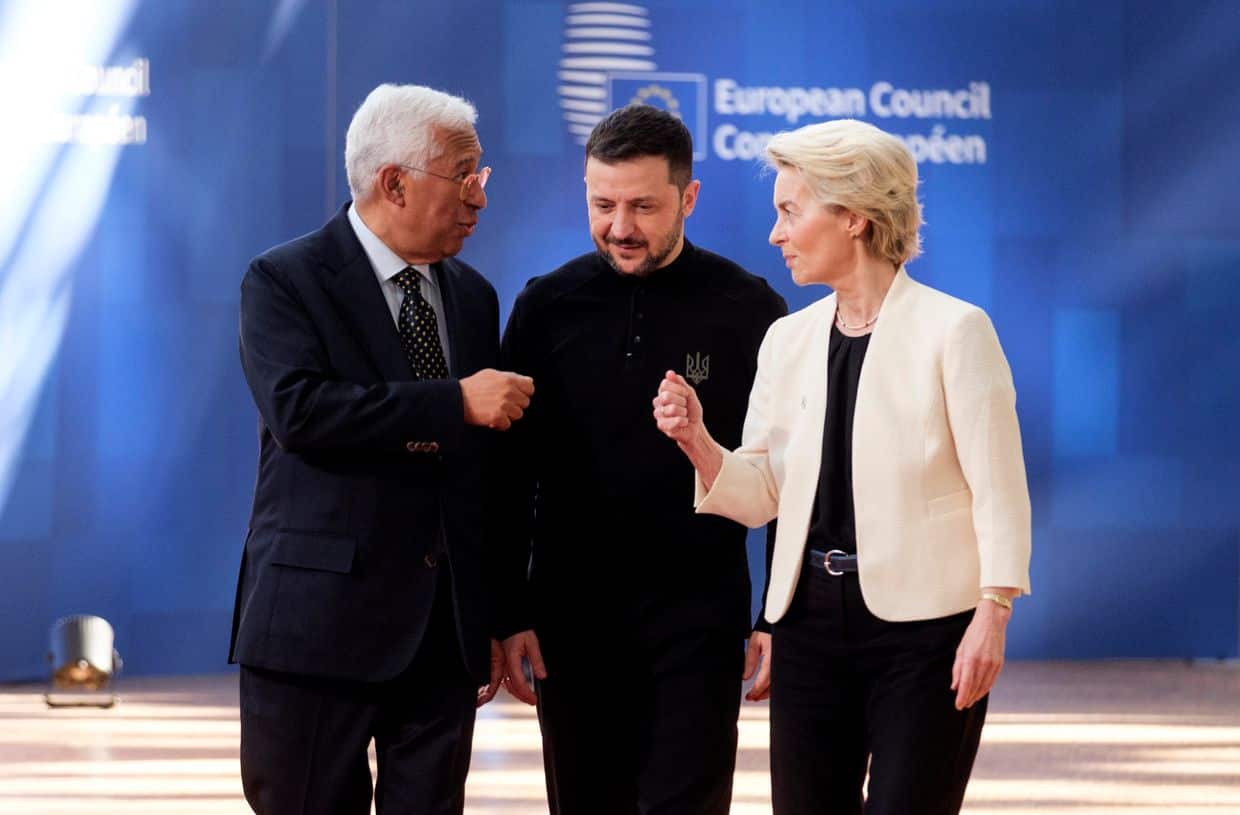
Seven EU countries called for limits on Russians' travel into the bloc, especially for sporting events, in a letter dated November 23, 2026, to European Commission President Ursula von der Leyen and European Council President Antonio Costa. The Kyiv Independent reported that it had seen the letter, which was signed by the leaders of Denmark, Estonia, Finland, Latvia, Lithuania, Poland and Sweden.
The letter was sent the same day the European Commission proposed a new sanctions package in which travel and sports restrictions feature prominently. The signatories called the Commission's proposed visa guidelines in the 22nd sanctions package crucial, saying they must give clear direction on preventing non-essential travel by Russian nationals into member states, including participation in sporting events.
The letter said a central objective of EU policy is to show Russia that its invasion of Ukraine will not bring rewards, and that recent developments in sport threaten to send the opposite message. It said stopping the normalization of Russia and Belarus in sport is already an EU position and that the time has come to put it into practice. The signatories said the matter is too urgent to wait for the reform of the EU visa code, which is set for 2027.
The seven leaders said they will raise the matter at a meeting of EU leaders expected on November 26-27. The agenda is already dominated by a 45 billion euro ($49.5 billion) loan proposal to support Ukraine in 2027 and the EU's next long-term budget. Costa and von der Leyen had not responded publicly to the letter, and it is for Costa to decide whether to add the matter to the summit agenda, the Kyiv Independent reported.