Key facts
- The package proposes new sanctions on financial institutions and a task force to work on sanctions on crypto asset platforms.
- The Commission plans special action against Kyrgyzstan, which it describes as a serial offender in helping Russia circumvent sanctions.
- The package proposes an energy services ban barring European companies from helping repair Russian infrastructure, notably refineries.
- European citizens would be prohibited from occupying posts in companies in Russia under the proposal.
- The package proposes banning Russian athletes from entering the EU and displaying Russian symbols at sporting events.
- EU countries must reach unanimous agreement to adopt the proposals.
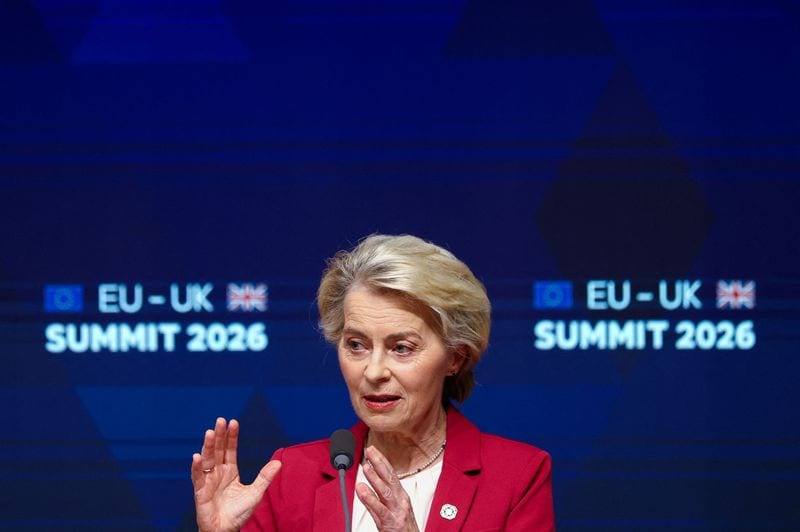
European Commission President Ursula von der Leyen proposed the EU's 22nd sanctions package against Russia on November 23, 2026, targeting Russian sports, former soldiers and cryptocurrency. The package follows the bloc's 21st sanctions package, adopted in July, and responds to what the report describes as Russia's re-emergence in world sporting events.
The sports measures include a ban on displaying Russian symbols, a ban on Russian nationals serving on European sporting bodies, and a ban on financing for sports and culture organizations. The Commission also proposed banning Russian athletes from entering the EU, with member states able to refuse visas to athletes and teams competing for Russia or under any Russian national symbol. The report said the proposal gained urgency after the International Olympic Committee reversed its block on Russian participation in July, and after a court ruling allowed Russia to return to ice hockey tournaments, prompting several countries to pass their own entry bans.
The package also proposes measures against former Russian combatants and would reduce the number of Russian tourists entering the EU, allowing only substantiated individual cases. "Anyone fighting on Russia's side against Ukraine is not welcome in Europe," said EU Migration Commissioner Magnus Brunner. The report said Germany identified Russia as responsible for drone attacks on Leipzig Airport and promised a response, and that EU leaders later called for swift implementation of measures on Russian ex-combatants.