Key facts
- The proposal keeps Ukraine funding at 89 billion euros in 2025 prices, or 100 billion euros adjusted for inflation.
- Ukraine's Prime Minister Serhii Koretskyi said total expenditure is expected to reach 211 billion euros in 2027.
- Koretskyi said domestic revenues would cover a third of that spending, leaving two-thirds dependent on international partners.
- The European Commission proposed a 45 billion euro loan to partly fill Ukraine's projected 70 billion euro shortfall.
- An EU official told the Kyiv Independent that interest on the two loans is expected to exceed 6 billion euros a year.
- The proposal includes a placeholder for an agreement on sustainable financing for Ukraine at the leaders' meeting.
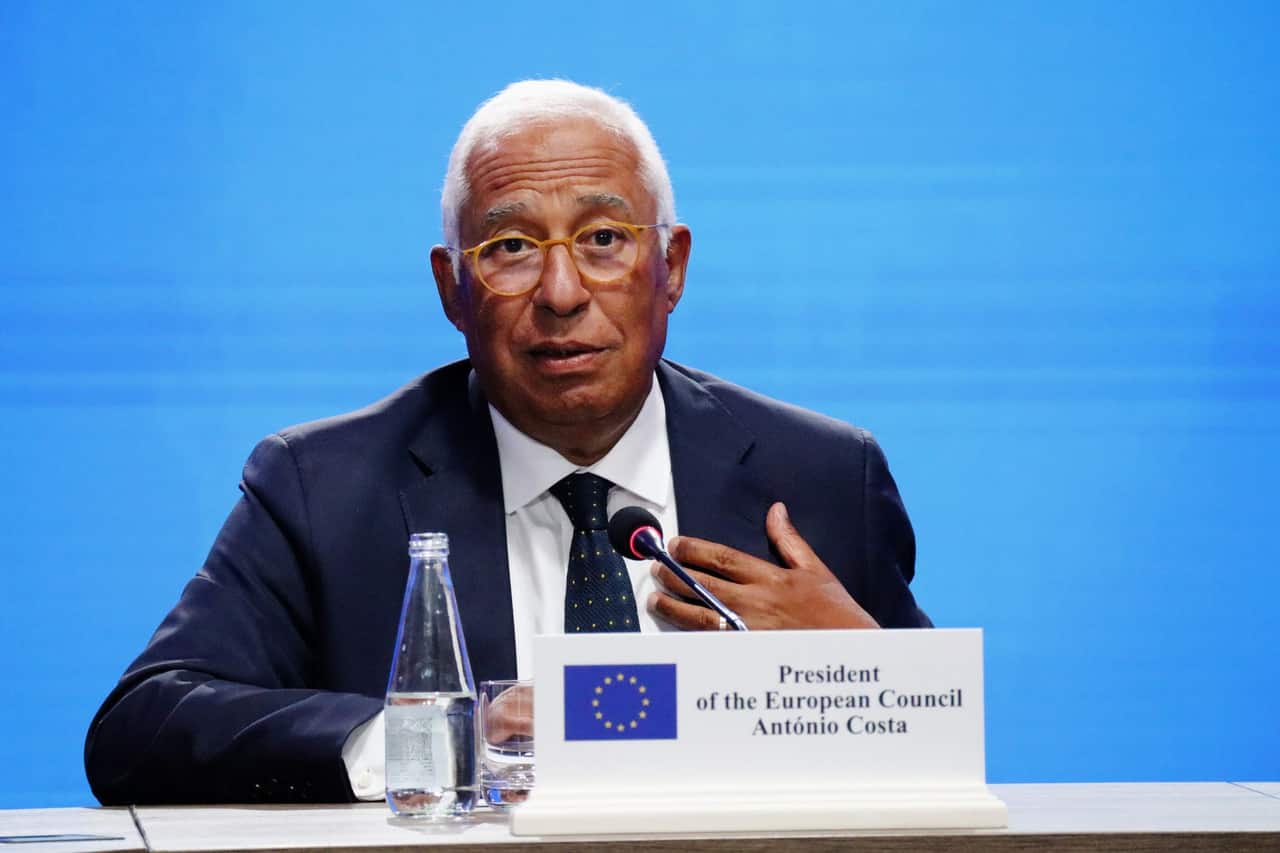
The European Union is not planning to increase its budgetary support for Ukraine under a new proposal for the bloc's 2028-2034 budget, presented by European Council President Antonio Costa on November 21, 2026. EU countries are negotiating the next multi-annual budget, known as the MFF, and hope to reach agreement by the end of 2026, ahead of a 2027 election cycle.
The proposal keeps Ukraine funding intact at 89 billion euros ($98 billion) in 2025 prices, or 100 billion euros ($110 billion) adjusted for inflation. The amount would not cover Ukraine's budgetary needs for even one year of war, the Kyiv Independent reported.
Ukraine's Prime Minister Serhii Koretskyi said earlier in the week that total expenditure is expected to be 211 billion euros ($232 billion) in 2027. Domestic revenues would cover a third, leaving the government dependent on international partners for the remaining two-thirds. Even with existing pledges and a 90 billion euro loan approved in April, Ukraine faces a projected 70 billion euro ($77 billion) funding gap for 2027.
The European Commission proposed a 45 billion euro ($49 billion) loan to partly fill that shortfall. As with the earlier loan, the EU is expected to pay the interest so Ukraine does not have to. An EU official told the Kyiv Independent that interest on the two loans combined is expected to exceed 6 billion euros ($6.6 billion) annually, or more than 42 billion euros ($46 billion) over time, almost half of Ukraine's budget allocation.
The proposal says the borrowing cost subsidy would be provided in addition to the budget ceilings, so Ukraine support would not automatically be consumed by old debt. Costa's proposal includes a placeholder for an agreement on sustainable financing for Ukraine, which leaders are expected to discuss when they meet November 26-27.
The only option for sustained financing mentioned so far, using over 200 billion euros ($219 billion) of Russian immobilized assets in the bloc to directly finance Ukraine, is still unlikely to advance. It is opposed by several EU countries, considered unviable by Euroclear, the largest holder of Russian assets, and was not suggested by the European Commission in its latest loan proposal. The proposal also includes wording that would allow the EU to redirect other parts of the budget to Ukraine, which would reduce funds for other EU candidate countries, development aid or other EU-funded activities.