Key facts
- The provisional agreement covers wind, solar, grid upgrades and storage projects, Reuters reported, citing the EU Council.
- Member states could categorize new wind and solar developments as being in the overriding public interest to fast-track them.
- EU oil import volumes rose 1.2% between the second quarters of 2025 and 2026, Euronews Business estimated.
- Euronews Business estimated the EU paid $11 billion more per month for oil imports in the second quarter of 2026 than the 2025 monthly average.
- The European Commission sees grid investment of 584 billion euro for the period until 2030.
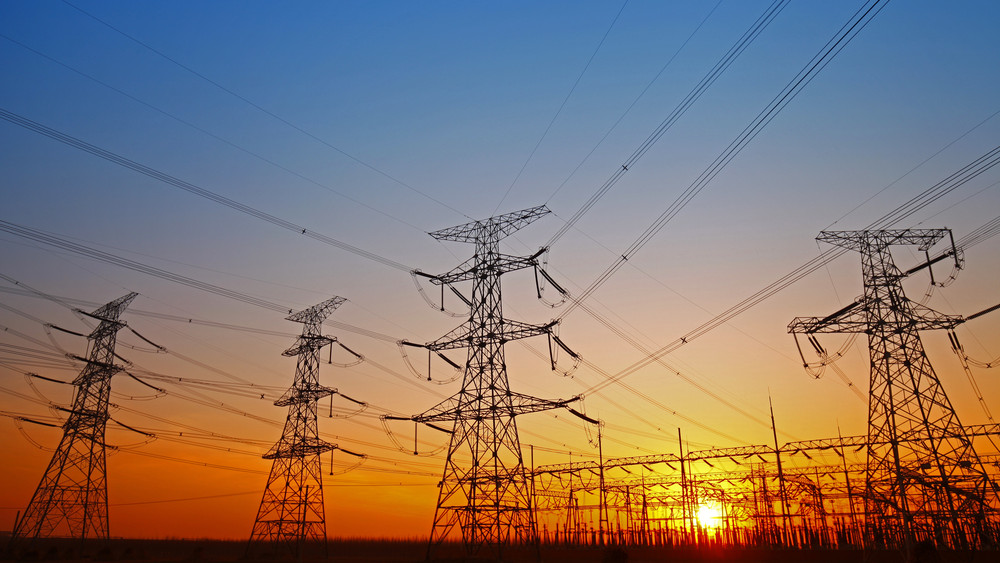
The European Parliament and the EU Council reached a provisional agreement to accelerate permit issuance for new energy projects, with a focus on wind, solar, grid upgrades and storage, Reuters reported, citing the EU Council. Under the terms, member states of the European Union would be able to fast-track new wind and solar developments by categorizing them as being in the overriding public interest.
The agreement is the latest step in the EU's push to raise the share of alternative energy sources in its mix and reduce dependence on oil and gas imports. In the second quarter of 2026, right after the closed Strait of Hormuz raised oil prices, the EU spent an average of $30.7 billion (27.6 billion euro) per month on petroleum oil imports, up from $19.7 billion (17.7 billion euro) in the same period in 2025.
Import volumes barely changed, rising by just 1.2%, and Euronews Business estimates that the EU paid $11 billion (9.9 billion euro) more per month for oil imports in the second quarter of 2026 compared with the monthly average for 2025.
The energy import bill is evidence that efforts to wean the bloc off hydrocarbons will take longer than hoped, despite regulatory changes and financial support directed toward wind and solar, batteries and related projects. Stumbling blocks include negative electricity prices from excess wind and solar generation, lower profitability from those price developments, and still high battery storage prices. Grid upgrades are seen costing 584 billion euro for the period until 2030, according to the European Commission.