Key facts
- Dombrovskis said EU countries need conceptual decisions on the loan proposal by December, when the IMF meets.
- The Commission proposal assumes all 27 member states participate, Dombrovskis said.
- Hungary, Czechia and Slovakia opted out of the previously passed 90 billion euro loan, the report said.
- The Commission proposed 100 billion euros for Ukraine in the 2028-2034 multiannual budget; negotiations reduced it to 89 billion euros.
- Dombrovskis said the EU reserves the right to use immobilized Russian sovereign assets to repay the loans.
- More than 200 billion euros of Russian sovereign assets have been held in European bank accounts since 2022, the report said.
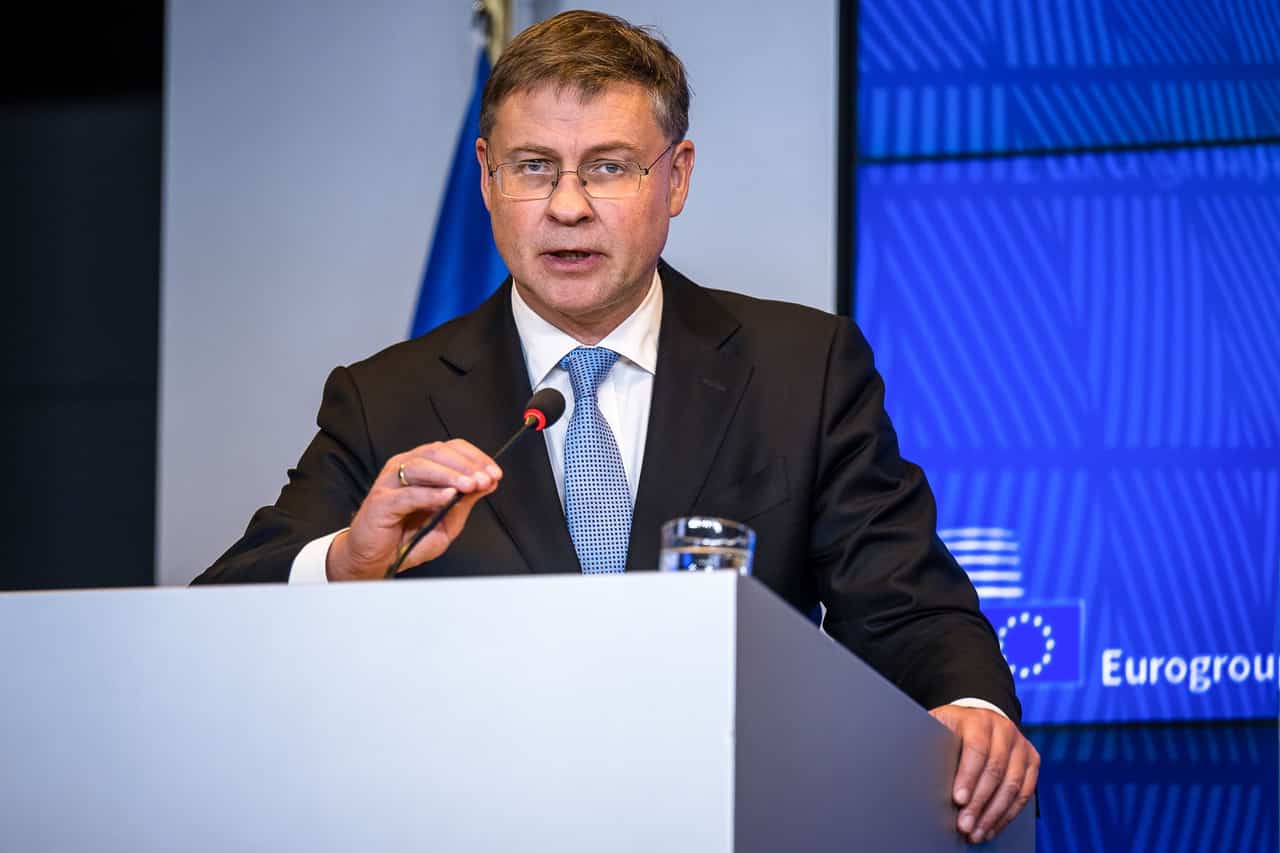
EU Economy Commissioner Valdis Dombrovskis told the Kyiv Independent in an interview on November 18 that EU countries and Ukraine need to make conceptual decisions on a new financing proposal for Kyiv by December. The European Commission published the proposal to give Ukraine an additional 45 billion euro ($49 billion) loan in 2027, with measures to seek third-country contributions, the Kyiv Independent reported.
Dombrovskis said the December timing matters because the International Monetary Fund is due to meet that month and will not be able to continue its support for Ukraine without assurances that Kyiv's 2027 budget is covered. The proposal aims to cover two-thirds of a 70 billion euro ($77 billion) budget gap that President Volodymyr Zelensky identified in October.
Dombrovskis said the proposal as it stands assumes all 27 EU member states will participate, even amid speculation that some countries will opt out, as Hungary, Czechia and Slovakia did for the previously passed 90 billion euro ($99 billion) loan. "We are proposing a regulation ... to be covered by all 27 member states," he said, adding that the mechanism is "not only a mechanism of solidarity for Ukraine, but it's also important for our own security."
He said EU countries must also settle how much to provide for Ukraine in the next multiannual budget, which runs from 2028 to 2034, and whether interest payments on the loans will be on top of the money earmarked for Ukraine or come out of that sum. The Commission proposed 100 billion euros ($110 billion) for Ukraine in the multiannual budget, but negotiations have reduced that to 89 billion euros ($98 billion), which the report said is insufficient to cover Ukraine's needs for even one year without considering interest payments. Dombrovskis said he would advocate for an interest rate subsidy on top of the 100 billion euros.
On delivery, Dombrovskis said defense funding earmarked for 2027 has already been agreed to be frontloaded to earlier in the year, and that other funds conditional on reforms could also be disbursed sooner, depending on Kyiv. He said discussions with the government on the payment schedule for the 45 billion euro loan are ongoing, and named laws on a simplified tax regime and on combating tax evasion as priorities. He said Ukraine is broadly on track on financial reforms after the Commission approved more than 4 billion euros ($4.9 billion) in support on November 5.
Dombrovskis said Kyiv will not have to make repayments on the loans so long as Russia is at war with Ukraine and is not paying reparations, and that the EU reserves the right to use immobilized Russian sovereign assets to repay them. More than 200 billion euros ($219 billion) of Russian sovereign assets have been held in European bank accounts since 2022, the report said, and seizing them would require unanimous agreement from all 27 EU countries. At a press conference on November 18, Commission President Ursula von der Leyen mentioned only the existing use of windfall profits from the invested assets, which back a $50 billion G7 loan created in 2024. Dombrovskis said any discussion of the assets' fate would come in the context of the peace process and depend on what Moscow pays in reparations.
EU leaders were due to have an informal chance to discuss the proposal at a Coalition of the Willing meeting in Berlin on November 19 and at a leaders summit in Brussels on November 26-27.