Key facts
- The New York Times filed a motion to quash federal grand jury subpoenas for three journalists.
- The subpoenas relate to reporting on security flaws in President Donald Trump's new Air Force One jet.
- The Justice Department claims reporters are not the targets, but rather those leaking classified information.
- The New York Times argues the subpoenas are an abuse of power and an attempt to intimidate reporters.
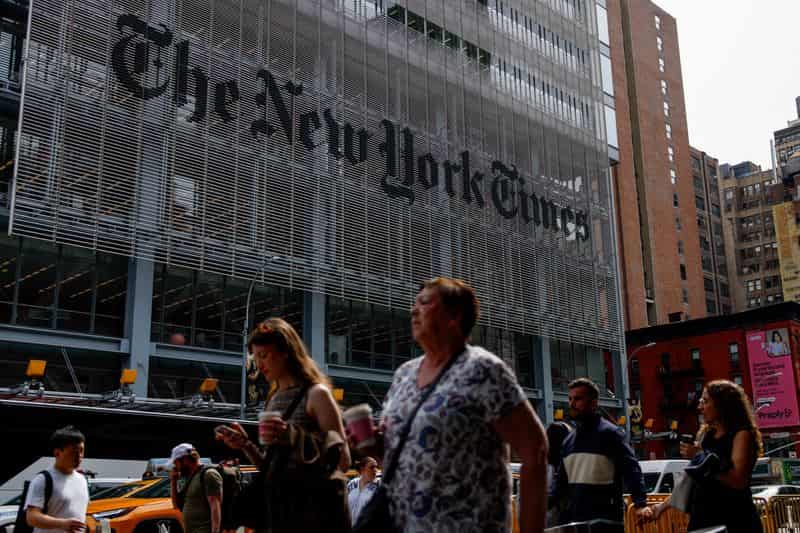
The New York Times has filed a motion to quash federal grand jury subpoenas issued to three of its journalists who reported on security concerns involving President Donald Trump's new Air Force One jet. The newspaper argues the subpoenas are a 'retaliatory abuse of prosecutorial power' and a violation of constitutional rights, intended to intimidate reporters.
The subpoenas, some delivered to reporters' homes, seek testimony regarding reporting that suggested the new, Qatari-gifted Air Force One lacked advanced security features, including antimissile capabilities, prompting a switch to an older aircraft at the urging of the Secret Service. President Trump has denied these security concerns on social media.
The Justice Department defended the subpoenas, stating that reporters are not the targets, but rather those leaking classified information. The department emphasized its role in protecting national secrets while acknowledging the press's important function. This action follows previous government efforts to obtain journalists' phone records and an FBI search of a Washington Post reporter's home.
Senators have questioned top Justice Department officials about the subpoenas, with some criticizing the move as a 'flagrant attack' on press freedom. Todd Blanche, President Trump's nominee for attorney general, was questioned about his support for such subpoenas, likening reporters to 'material witnesses'.