Key facts
- Senator Kirsten Gillibrand proposed a ban on elected officials, including the US president and their spouses, from issuing or sponsoring digital assets.
- The proposal specifically targets meme coins and aims to prevent self-dealing and conflicts of interest.
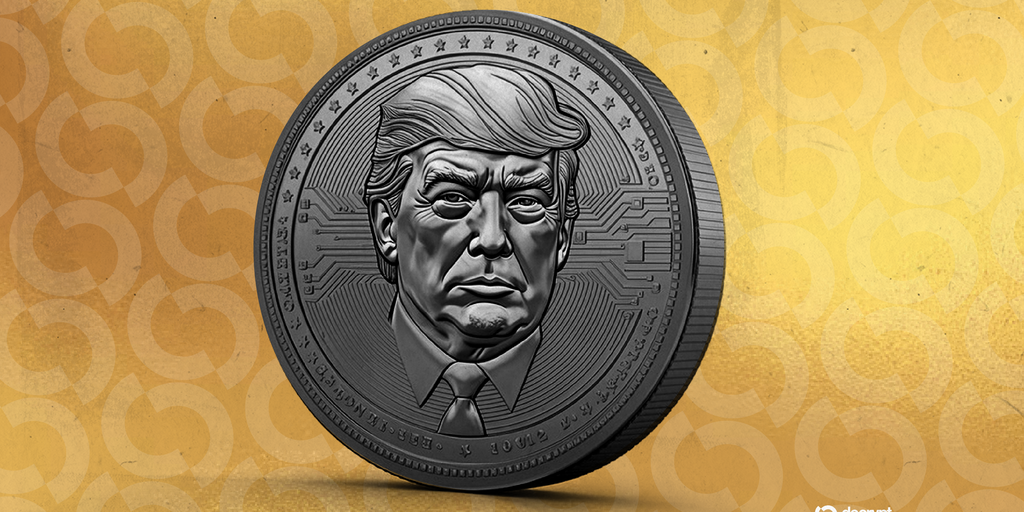
- President Donald Trump disclosed earning over $1.2 billion from crypto endeavors last year, including significant gains from a Solana-based meme coin.
- Gillibrand cited concerns about public officials profiting from their positions and undermining consumer protections.
- The ban is part of broader ethics reform efforts and is linked to the Digital Asset Market Clarity (CLARITY) Act.
Senator Kirsten Gillibrand has renewed calls to ban elected officials, including the U.S. President and their spouses, from issuing or promoting crypto assets, particularly meme coins. This initiative follows President Donald Trump's disclosure of earning over $1.2 billion from crypto ventures last year, with a significant portion attributed to his Solana-based meme coin. Gillibrand argues that such activities constitute self-dealing and could compromise consumer protections and financial integrity. The proposed ban is part of a broader ethics campaign by the senator, who has also advocated for restrictions on congressional trading in prediction markets and stocks due to concerns about insider trading. Gillibrand stated that the commonsense requirement for public officials and their spouses not to issue meme coins should receive bipartisan support. She believes that addressing self-dealing is crucial for strengthening consumer protections and cracking down on illicit finance. The senator, known for her pro-crypto stance, has linked these ethical guardrails to the progress of the Digital Asset Market Clarity (CLARITY) Act, noting that agreement on ethical provisions has been a point of contention in legislative negotiations. Despite these challenges, researchers suggest the bill's passage this year faces time constraints rather than content issues.