Key facts
- OpenAI has discussed giving the Trump administration a five percent equity stake.
OpenAI has proposed giving the US government a five percent equity stake in the AI firm, a move analysts fear could create a "governance overhang" and complicate a future IPO by introducing a shareholder with national security objectives.
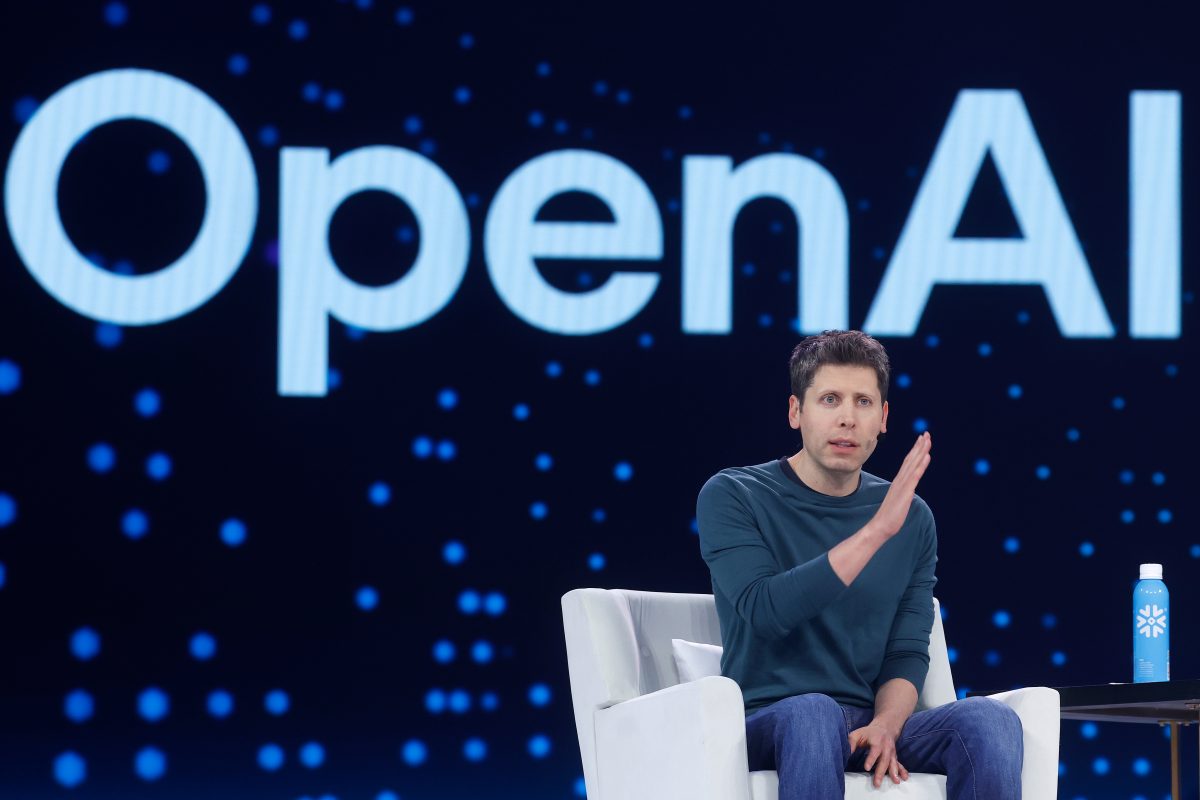
The proposal could significantly alter the landscape of AI development and investment by introducing government influence into private companies, potentially impacting competition, regulatory access, and the structure of future public offerings.
OpenAI has reportedly proposed granting the US government a five percent equity stake in the company as part of a broader initiative for leading American AI firms to contribute shares to a public investment vehicle. This move has triggered concerns among analysts about a potential "governance overhang," which could complicate OpenAI's anticipated initial public offering (IPO) and influence the competitive landscape of the AI industry.
Analysts suggest that including a government entity as a shareholder, with objectives extending beyond financial returns to include national security and distributional policy, could be viewed negatively by some institutional investors. This is particularly relevant for foreign sovereign funds and institutions sensitive to state influence over commercial decisions. The proposal, if formalized, could also lead other countries to seek similar arrangements as a condition for market access.
Sam Altman, OpenAI's CEO, has previously advocated for the public to directly benefit from AI's economic gains, drawing parallels to Alaska's Permanent Fund. The proposed structure could extend to other major US AI developers, though it remains uncertain if competitors like Anthropic would participate. The US administration has been increasingly involved in the AI sector, scrutinizing new releases on national security grounds, though Trump has generally favored less heavy-handed regulation.
Experts believe that government ownership could create a distinction between companies within and outside the proposed framework, potentially leading to preferential treatment in areas like procurement and export permissions for participating firms. The move also raises questions about the future direction of US industrial policy, potentially signaling a departure from the traditional reliance on private capital for developing strategic industries. Supporters argue that such a model could provide citizens with direct exposure to AI-driven wealth creation.
Pick the topics you care about. Get only what matters, on your cadence.