Key facts
- The Senate Commerce Committee voted 15-0 to approve Severs' nomination after Democrats boycotted the hearing.
- Democrats on the panel said they oppose Severs and wanted her nomination paired with another term for Commissioner Anna Gomez.
- Senate Commerce Committee Chair Ted Cruz said Republicans did not boycott hearings under President Joe Biden.
- The FCC is considering the fate of Walt Disney's eight company-owned ABC television stations.
- US law requires that only three of the five FCC commissioners can be from the same political party.
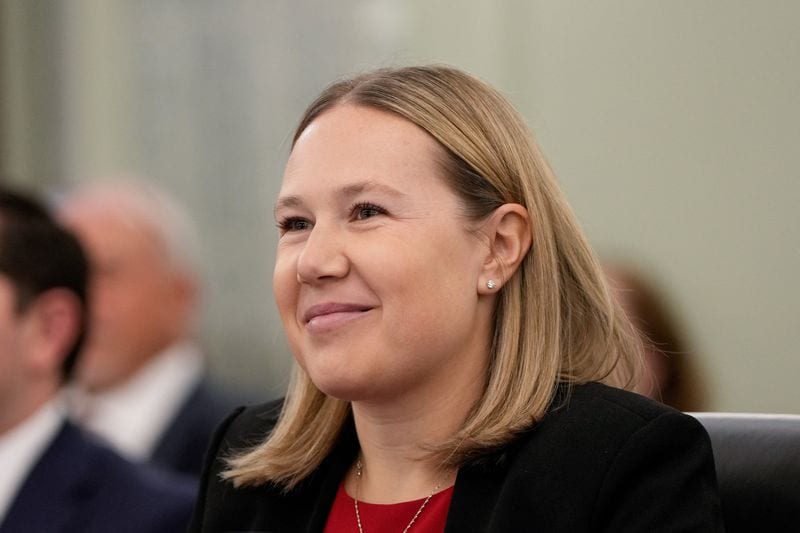
The US Senate Commerce Committee voted 15-0 on November 18, 2026, to advance President Donald Trump's nominee to the five-member Federal Communications Commission, after all Democrats on the panel boycotted the hearing. Trump nominated Danielle Thumann Severs, a senior counsel to FCC Chair Brendan Carr, in August for one of the commission's two open seats.
All Democrats on the panel said in a statement they oppose Severs' nomination and had sought to deny Republicans a quorum for the vote. They said the nomination should be paired with another term for Commissioner Anna Gomez. "This is not a problem we created, but a problem that the White House can solve," the Democrats, led by Senator Maria Cantwell of Washington, said.
The FCC currently has two Republicans and one Democrat, Gomez, whom some senators say Trump might fire if his nominee is confirmed. The FCC historically is divided 3-2 with the party in control of the White House holding a majority. The law requires three members for a quorum, and US law requires that only three of the five commissioners can be from the same political party.
Senate Commerce Committee Chair Ted Cruz said Republicans did not boycott hearings when Democrats were in charge under President Joe Biden. "We are headed into two years of total obstruction," the Texas Republican said, when Democrats take over in January. Last week, Democratic US Senator Ben Ray Lujan of New Mexico said he expected Carr would be called to appear at least monthly next year, when Democrats will set the agenda, adding that the FCC chair "has been evading questions and ignoring his responsibilities."
The FCC is considering the fate of Walt Disney's eight company-owned ABC television stations. The early license review was ordered in April, a day after Trump called for Jimmy Kimmel to be fired. Disney sued to block the review and a federal judge has not yet ruled on its request for a court order preventing the FCC from acting. Lawmakers had called for Carr's resignation last year after he pressured Disney to discontinue Jimmy Kimmel's ABC late-night talk show.
Trump has repeatedly urged broadcasters to drop comedy or news programs that have been critical of his administration. Broadcasters have broad First Amendment rights to make content decisions. Individual broadcast stations need FCC licenses to use public airwaves. While license revocations are exceptionally rare, critics say the prospect of losing a license can pressure broadcasters and raise concerns about government interference in editorial and programming decisions.