Key facts
- Sable ended September with $38 million in cash and a fourth-quarter spending budget of $165 million to $175 million, including debt payments.
- Sable was pursuing a bulk sale of up to 1.3 million barrels, with a $100 million unsecured loan basket and a private placement of shares as fallbacks.
- Sable CEO Jim Flores said rulings it has won, including one upholding PHMSA's jurisdiction over the pipeline, are on appeal at the Ninth Circuit.
- Santa Ynez produces heavy, sulfur-rich crude of around 15-20 degrees API and 4-5% sulfur, with walk-up pricing about $30 a barrel below Brent, management said.
- Sable expects approximately 10,000 barrels a day from the Hondo platform in December, with lighter, sweeter production improving the combined blend.
- California crude production averaged roughly 245,000 barrels a day through August 2026, down from about 550,000 barrels a day in 2015.
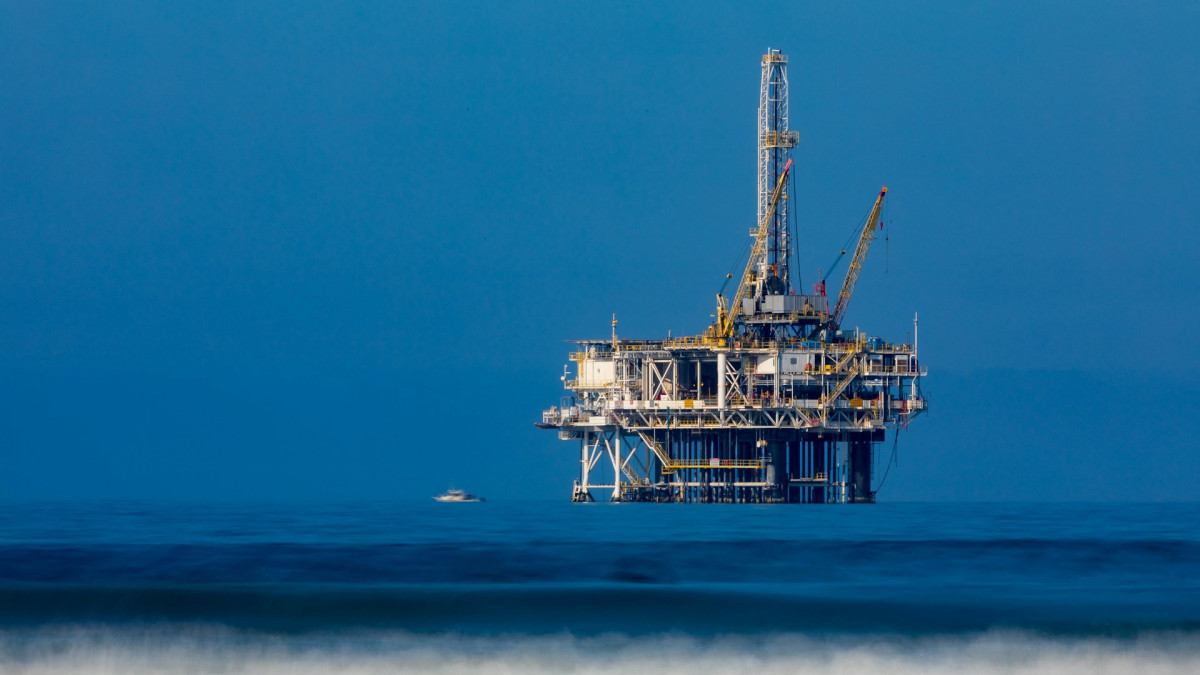
Sable Offshore's Santa Ynez project off the Santa Barbara coast has become a test of federal and state authority over oil production in California. The complex, comprising the Hondo, Harmony and Heritage platforms and onshore infrastructure, was originally developed by ExxonMobil, which sold the assets to Sable in 2024 for total consideration of $643 million.
The project's troubles date to May 2015, when Plains All American's Line 901 pipeline ruptured near Refugio State Beach, spilling almost 3,000 barrels of crude and cutting the route to local refineries. Sable announced in May 2025 that it had restarted production from Harmony, a claim California officials disputed, saying the activity was well testing.
The Trump administration reopened the pipeline route in two steps. In December 2025, the Pipeline and Hazardous Materials Safety Administration reclassified the onshore pipelines as interstate infrastructure at Sable's request and approved their restart plan on December 22. After the US-Iran conflict began in late February 2026, Energy Secretary Chris Wright invoked the Defense Production Act on March 13 to direct restoration of operations, citing supply risks. Sable resumed pipeline shipments the following day. California's Democratic administration challenged both interventions.
The commercial position deteriorated in October 2026 when Chevron, the project's only outlet, stopped buying crude due to refinery maintenance and storage-tank upgrades. Sable's shares fell by more than half on November 9, touching a record low of 76 cents, after it warned of substantial doubt about its ability to continue as a going concern. Sable ended September with $38 million in cash against a fourth-quarter spending budget of $165 million to $175 million including debt payments.
On its earnings call, management said all four major Los Angeles-area refineries were taking its crude after agreements with three additional buyers, among them Marathon and PBF Energy, though those relationships began with starter volumes. Sable was pursuing a bulk sale of up to 1.3 million barrels, with a $100 million unsecured loan basket and a private placement of shares as fallbacks. CEO Jim Flores said rulings it has won, including one upholding PHMSA's jurisdiction, are on appeal at the Ninth Circuit.
Management acknowledged ample competing heavy-crude supply, with Santa Ynez's heavy, sulfur-rich oil priced about $30 a barrel below Brent on a walk-up basis. Sable expects approximately 10,000 barrels a day from the Hondo platform in December, with lighter, sweeter output improving the blend.
California's crude production averaged roughly 245,000 barrels a day through August 2026, down from about 550,000 barrels a day in 2015. The state's July 2026 refinery listing shows 11 facilities with combined crude-processing capacity of approximately 1.34 million barrels a day, after closures and renewable-fuel conversions removed plants operated by Marathon, Phillips 66 and Valero. Seaborne imports to the state were around 890,000 barrels a day in 2026, down from 1.04 million barrels a day last year, with Latin American barrels at 72% of total imports in October 2026.