Key facts
- Polina Lermant, 24, is a candidate for the Yabloko party in Moscow's parliamentary election.
- Yabloko is the only registered political force in Russia that opposes the war in Ukraine.
- Lermant fears authorities may accuse her of wrongdoing and jail her, a fate some party colleagues have suffered.
- Lev Shlosberg, a senior Yabloko colleague, was jailed for 11 years for comments about the war.
- Yabloko's deputy leader, Maxim Kruglov, was jailed for seven years on similar charges.
- The Kremlin states wartime censorship and national unity are vital due to efforts by Ukraine's intelligence services to stir unrest.
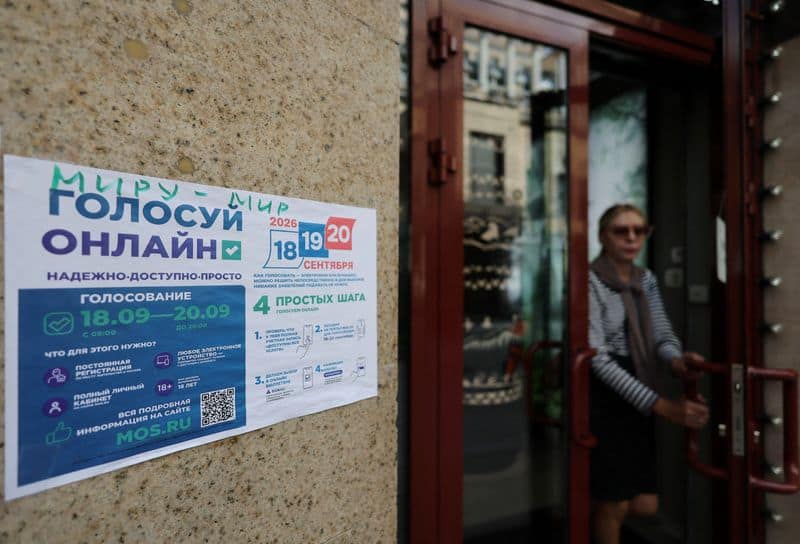
Polina Lermant, a 24-year-old candidate for Russia's liberal Yabloko party, is undertaking a risky campaign for a seat in the State Duma, urging voters to 'vote for peace' in the upcoming parliamentary election. The election, which began on Friday, is the first since President Vladimir Putin sent troops into Ukraine in 2022.
Lermant expressed significant fear of being jailed for her anti-war stance, a fate that has befallen some of her party colleagues. Lev Shlosberg, a senior Yabloko member, was sentenced to 11 years in prison last month for comments about the war, and deputy leader Maxim Kruglov received a seven-year sentence in June on similar charges. Lermant noted the return of fear to Russian society, recalling her great-grandfather's exile in the Soviet era for discrediting the Red Army, a charge now leveled against war critics.
The Kremlin maintains that wartime censorship and national unity are crucial due to perceived efforts by Ukraine's intelligence services and other adversaries to incite unrest within Russia. Yabloko, the only registered political force in Russia openly opposing the war, wants Russia to agree to a ceasefire in Ukraine, a proposal the Kremlin has rejected, stating it seeks a deal that meets its own conditions.
Most Yabloko candidates were disqualified from contesting the election following a Supreme Court ruling on August 10, which Lermant believes was prompted by fears that the party might gain parliamentary representation and raise difficult questions, including about the war. Discrediting the army or spreading what authorities deem fake news can result in lengthy prison sentences.
Despite the challenges and her personal fears, Lermant feels compelled to participate, stating, "It's really important for us to tell people that there is the chance right now to vote for peace, to express their political position, and to say that we choose peace and a free life without fear." She is encouraged by polling data indicating a rise in public support for peace negotiations this year, suggesting a growing openness to Yabloko's ideas. Polling from the Levada Center shows support for peace talks exceeding 60%.