All NewsEducationTVBrokers
Equities & FundsCrypto & Digital AssetsAI & TechnologyBusiness & CorporateUS Politics & PolicyGeopolitics & Global RiskMacro, Rates & FXCommodities & EnergyEuropean Politics & MarketsAsia-PacificReal Estate & Property
All NewsHome
← Back to Geopolitics & Global Risk

Russia aiding Iran's supersonic cruise missile development, FT reports

Created at 3 Sep · 4:06 AM1 source↑ Market-relevant
IN SHORT

Russian specialists are reportedly working with Iran on a covert program to develop supersonic cruise missiles, according to the Financial Times. The collaboration, which began in 2023, involves Russian experts assisting Iran with ramjet propulsion technology, potentially for anti-ship and land-attack weapons.

Key Numbers

2023start year of missile development program
2025year Iran provided technical material to Russia
2026year cooperation continued into
November 2023month contract was signed

Who's Involved

Financial Times
reported on the covert missile development program
NPO Mashinostroyenia
Russian missile manufacturer involved in the program
Rosoboronexport
Russian state arms exporter coordinating the program
Iran's Ministry of Defence and Armed Forces Logistics
signed a contract with Rosoboronexport
Russia aiding Iran's supersonic cruise missile development, FT reports

↳ Why This Matters

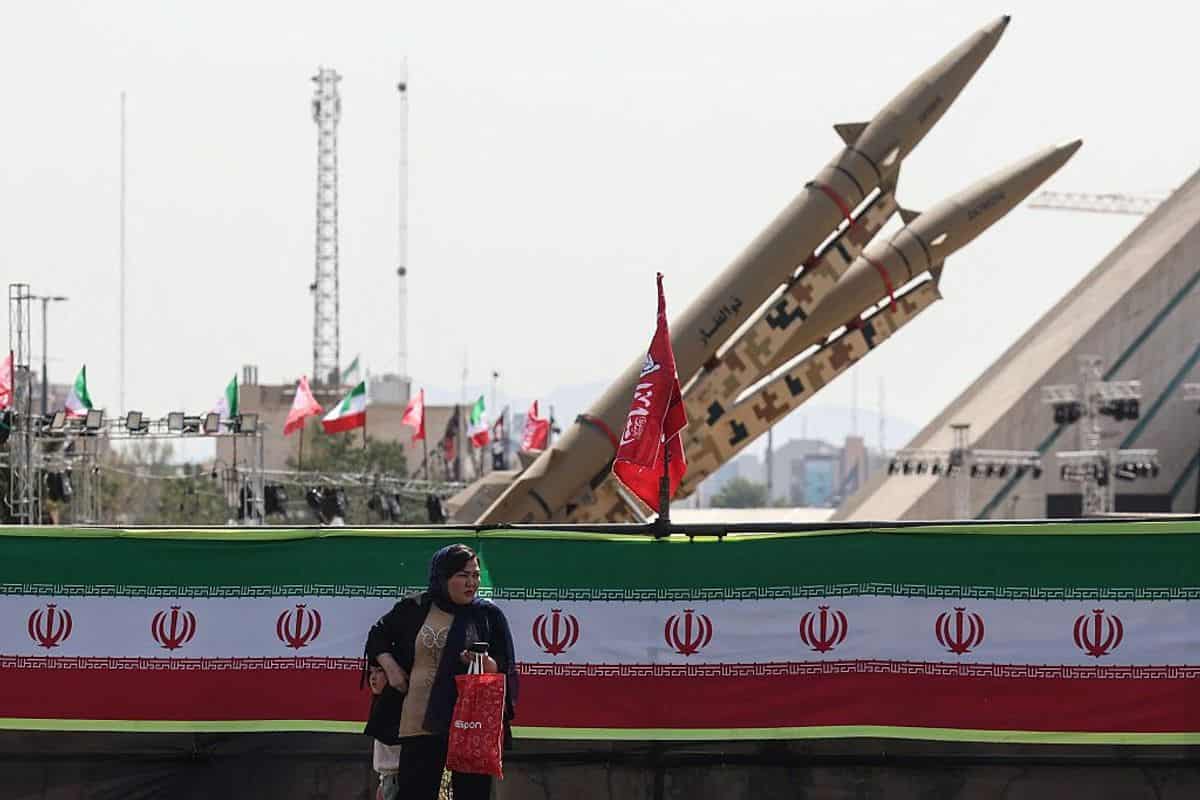
The reported collaboration between Russia and Iran on supersonic cruise missiles signifies a deepening military partnership that could significantly alter the regional security landscape and pose a new threat to naval assets in the Middle East.

Key facts

  • Russian specialists are reportedly assisting Iran in developing supersonic cruise missiles.
  • The program, codenamed C430L, began in 2023 and focuses on ramjet propulsion technology.
  • Iran has already developed and tested a ramjet propulsion system.
  • Such missiles could pose a threat to U.S. naval vessels due to their speed and low-altitude flight.
  • The cooperation continued into 2026, with discussions on future stages as recently as June.

Russian missile specialists have been collaborating with Iran on a covert initiative to advance the development of supersonic cruise missiles, according to a report by the Financial Times. Citing leaked documents, travel records, and military patent analysis, the FT detailed a program codenamed C430L that commenced in 2023.

The program involves Russian experts aiding Iran in developing ramjet propulsion, a technology crucial for achieving speeds several times the speed of sound. These advanced missiles are likely intended for anti-ship and land-attack capabilities. While Iran has reportedly built and tested a ramjet propulsion system, there is no evidence to suggest that a supersonic cruise missile developed with Russian assistance has entered operational service.

Such weapons could present a significant new threat to U.S. naval vessels operating in the Middle East. Their high velocity and capacity for low-altitude flight can severely limit the reaction time for air and missile defense systems. The collaboration is coordinated by Russia's state arms exporter, Rosoboronexport, in conjunction with NPO Mashinostroyenia, a Russian missile manufacturer previously sanctioned by the U.S.

Travel records indicate that Russian arms export officials and senior engineers from NPO Mashinostroyenia made multiple trips to Iran prior to Rosoboronexport finalizing a contract with Iran's Ministry of Defence and Armed Forces Logistics in November 2023. By 2025, NPO Mashinostroyenia had received Iranian technical materials related to the ramjet system. Russian engineers subsequently analyzed data from an Iranian flight test and requested further details on aspects such as fuel supply, combustion stability, air intake, and engine nozzle performance.

The exchanges reveal Russian engineers evaluating a system already constructed and tested by Iran, applying their expertise to resolve technical challenges and refine the design. This cooperation extended into 2026, even amidst the U.S.-Israeli conflict against Iran. Correspondence reviewed by the FT showed Russia preparing technical reports for Tehran, with discussions about a potential next phase of the program occurring as recently as June, though it remains uncertain if this phase has commenced.

Official responses from the Kremlin, Rosoboronexport, NPO Mashinostroyenia, and the Iranian government were not provided to the FT's inquiries. This development occurs against a backdrop of escalating military cooperation between Moscow and Tehran, including Iran's supply of Shahed drones to Russia for use in Ukraine and assistance in establishing domestic drone production. Ukraine and Western officials have also accused Russia of aiding Iran in its conflict with the United States and Israel through the provision of satellite imagery, drone support, and weapon components.

Frequently asked questions

C430L is the codename for a covert program initiated in 2023, involving Russian specialists assisting Iran in developing supersonic cruise missiles, particularly focusing on ramjet propulsion technology.

Ramjet propulsion is a type of air-breathing jet engine that uses the engine's forward motion to compress incoming air for combustion, enabling sustained flight at speeds several times the speed of sound.

There is no evidence to suggest that a supersonic cruise missile developed with Russian assistance has entered service, although Iran has built and flight-tested a ramjet propulsion system.

Supersonic cruise missiles are difficult to intercept due to their high speed and low-altitude flight capabilities, posing a significant threat to military vessels and potentially reducing reaction times for defense systems.

What Happens Next

01It remains unclear whether the discussed next stage of the missile development program has begun.

How It Developed

Russian missile specialists began working with Iran on a program codenamed C430L in 2023.
The program involves Russian experts assisting Iran with ramjet propulsion technology.
Iran has built and flight-tested a ramjet propulsion system.
Russian arms export officials and engineers traveled to Iran before a contract was signed in November 2023.
By 2025, Russian engineers analyzed data from an Iranian flight test and sought more information.
Cooperation continued into 2026, with discussions on a potential next stage as recently as June.
The Kremlin, Rosoboronexport, NPO Mashinostroyenia, and the Iranian government did not comment.

Sources

T1
Russian specialists aiding Iran's development of supersonic cruise missiles, FT reportsThe Kyiv Independent

Related Stories

Russia pledges support to Iran amid conflict with US
2 Sep · 9:06 AM
Iran secures SCO backing against potential US strikes
2 Sep · 11:31 AM
Kuwaiti army reports hostile missile and drone attacks from Iran
3 Sep · 2:06 AM
Car rams pro-government gathering in Iran, killing four
2 Sep · 5:23 AM
Iran reports 18 dead in US strikes amid escalating conflict
2 Sep · 8:17 PM