All NewsEducationTVBrokers
Equities & FundsCrypto & Digital AssetsAI & TechnologyBusiness & CorporateUS Politics & PolicyGeopolitics & Global RiskMacro, Rates & FXCommodities & EnergyEuropean Politics & MarketsAsia-PacificReal Estate & Property
All NewsHome
← Back to Geopolitics & Global Risk

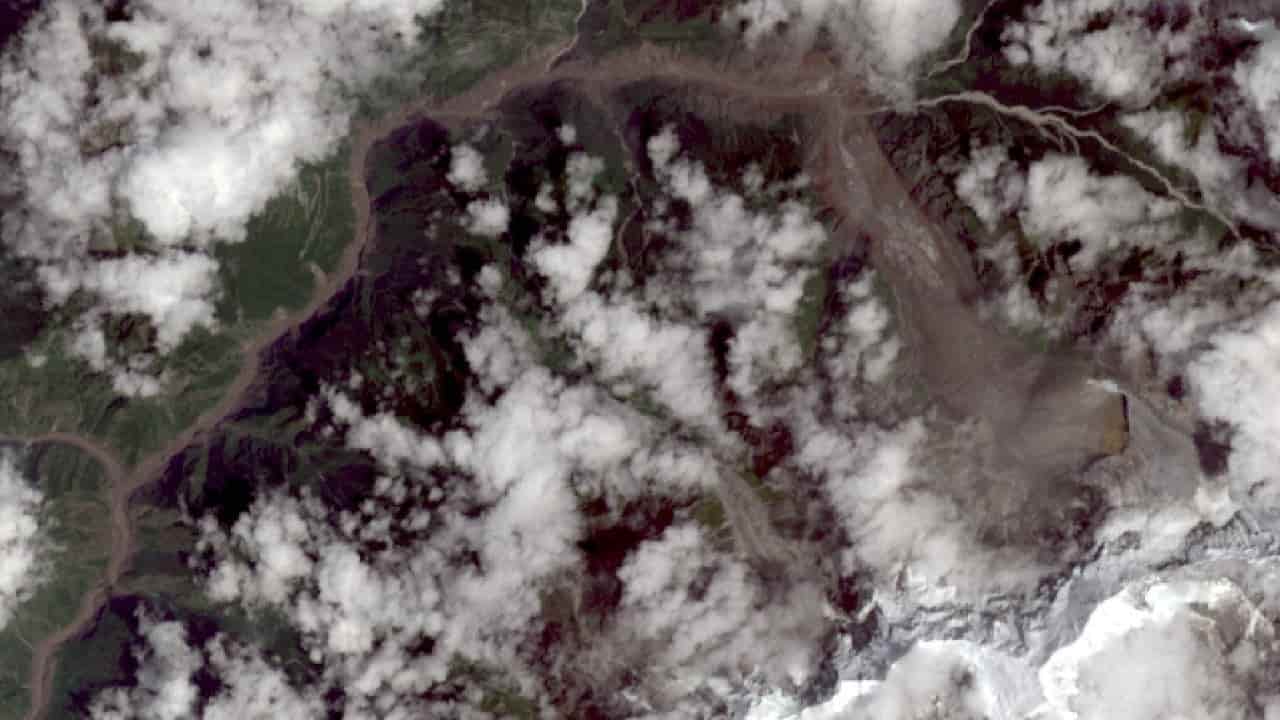
Unstable Tibetan Plateau risks cascading disasters as glacier losses mount

Created at 3 Sep · 4:05 AM1 source↑ Market-relevant
IN SHORT

Mounting glacier losses on the Tibetan Plateau, exacerbated by climate change, pose a significant risk of cascading disasters across Nepal and China. These meltwaters threaten downstream communities and infrastructure.

Who's Involved

Tibetan Plateau
region facing mounting glacier losses and instability
Nepal
country at risk from cascading disasters
China
country at risk from cascading disasters
Unstable Tibetan Plateau risks cascading disasters as glacier losses mount

↳ Why This Matters

The accelerating melt of glaciers on the Tibetan Plateau, driven by climate change, poses a severe and escalating risk of catastrophic, cascading disasters for millions of people in Nepal and China, threatening lives, infrastructure, and regional stability.

Key facts

  • Glacier melt on the Tibetan Plateau is accelerating.
  • This melting poses a risk of cascading disasters in Nepal and China.
  • Climate change is a primary factor contributing to the increased meltwater.
  • The region's geological instability amplifies the potential for catastrophic events.

The Tibetan Plateau is experiencing significant glacier melt, raising concerns about cascading disasters in downstream regions, including Nepal and China. Climate change is identified as a major driver of this accelerated melting. The region's inherent geological instability, combined with the increasing volume of meltwater, heightens the risk of events such as glacial lake outburst floods (GLOFs), landslides, and debris flows. These potential disasters threaten communities, infrastructure, and ecosystems across a vast area. The scale of the Tibetan Plateau's ice reserves makes its stability crucial for regional and potentially global climate patterns.

Frequently asked questions

The main concern is the mounting glacier losses and geological instability, which risk triggering cascading disasters in downstream regions like Nepal and China.

Climate change is identified as a primary driver of the accelerated melting of glaciers on the Tibetan Plateau.

Anticipated disasters include glacial lake outburst floods (GLOFs), landslides, and debris flows.

Nepal and China are identified as the countries most at risk due to their proximity to the Tibetan Plateau and reliance on its meltwater.

How It Developed

Glacier losses are mounting on the Tibetan Plateau.
This instability risks cascading disasters across Nepal and China.
Climate change is identified as a key driver of these meltwaters.

Sources

T1
Unstable Tibetan Plateau risks cascading disasters as glacier losses mount in Nepal, ChinaSouth China Morning Post

Related Stories

Nepal to rebuild China border early-warning system after deadly flood
2 Sep · 1:44 PM
China reopens Tibet highway after glacier collapse floods
2 Sep · 5:53 PM
Nepal hydropower plant workers may be alive, official says
2 Sep · 9:56 AM
UN Warns Global Warming Will Top 1.5C Within Years
2 Sep · 4:06 PM
Global temperatures likely to exceed 1.5°C threshold, UN report warns
2 Sep · 10:11 AM