Key facts
- TEPCO will use a 4.6-ton robot arm to inspect and remove nuclear debris from the Fukushima Daiichi No. 2 reactor.
- The robotic arm is 22 meters in length and was designed in Britain by the International Research Institute for Nuclear Decommissioning (IRID).
- The operation is five years behind its original 2021 schedule.
- TEPCO plans to conduct a trial operation at the No. 2 reactor during fiscal 2026.
- Radiation levels inside the reactor are too high for humans to approach, requiring remote operation of the robotic arm.
- An estimated 880 tons of nuclear debris remain inside the No. 1, 2, and 3 reactors.
Tokyo Electric Power Co. Holdings (TEPCO) is preparing to use a large robotic arm to inspect and remove nuclear debris from one of the crippled Fukushima Daiichi nuclear power plant reactors. The operation, which is five years behind its initial schedule, is a critical step in the long-term decommissioning process of the plant, which suffered core meltdowns in 2011 following a tsunami.
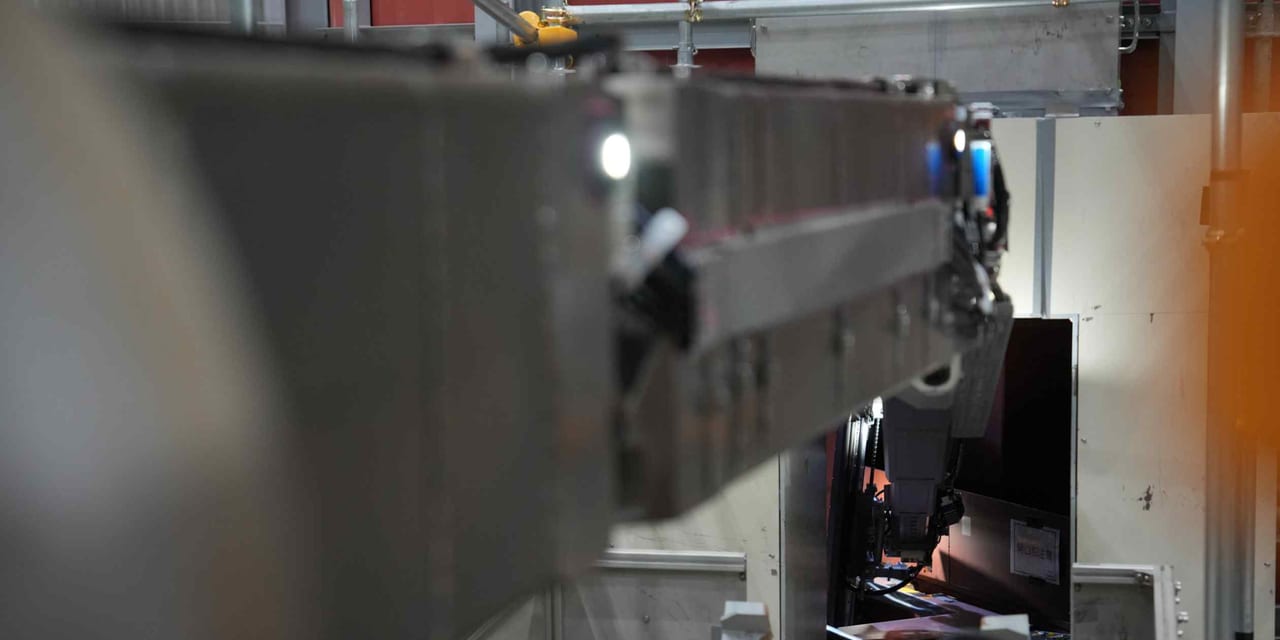
The 22-meter-long, 4.6-ton robotic arm, designed by the International Research Institute for Nuclear Decommissioning (IRID), will be remotely operated due to dangerously high radiation levels inside the containment vessel of the No. 2 reactor. TEPCO plans to insert the arm around summer to remove obstacles, gather three-dimensional data and video, and collect a small sample of nuclear debris. This trial operation is expected during fiscal year 2026.
TEPCO had originally planned to commence debris removal with this robotic arm in 2021 but faced development delays. As an interim measure, the company has conducted trial retrievals using a fishing-rod-style device, collecting a total of 0.9 gram in November 2024 and April 2025. The retrieved debris will be analyzed by the Japan Atomic Energy Agency (JAEA) and other laboratories.
Large-scale debris removal is planned for the No. 3 reactor starting in or after fiscal year 2037. An estimated 880 tons of nuclear debris remain inside the plant's three damaged reactors.