Key facts
- Europe will proceed with its EnVision mission to Venus without NASA's participation.
- NASA has withdrawn its commitment to provide a synthetic aperture radar instrument for the EnVision spacecraft.
- The withdrawal is due to budget constraints within NASA, particularly proposed cuts to its science funding.
- ESA is developing its own European radar payload for EnVision, aiming for similar scientific capabilities.
- The EnVision mission aims to map the Venusian surface at 10 times higher resolution than previous radar missions.
- ESA is also assessing how to fill NASA's roles on other European-led science missions, LISA and New Athena.
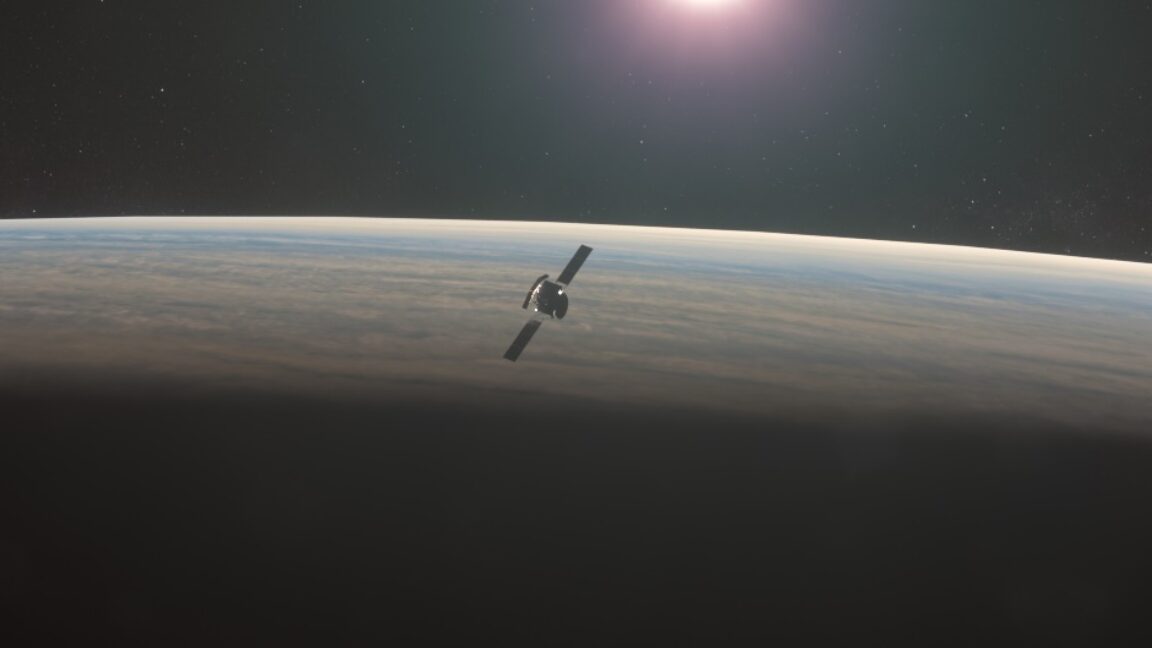
The European Space Agency (ESA) is proceeding with its EnVision mission to Venus independently after NASA determined it could not provide a crucial synthetic aperture radar instrument. This decision, announced by the mission's project scientist, Anne Grete Straume-Lindner, is a consequence of budget constraints within NASA, particularly proposed cuts to its science funding by the Trump administration.
NASA and ESA had initially agreed in 2024 for NASA to supply the radar instrument, which is essential for mapping Venus's surface through its thick sulfuric acid clouds, and to provide tracking support. In return, ESA would build the spacecraft, other instruments, and handle the launch. However, with NASA facing funding shortfalls, it is re-evaluating its contributions to international missions.
While Congress restored some funding for NASA's planetary science division, it was still below the previous year's level, forcing difficult decisions. NASA's contributions to other European-led missions, including the LISA gravitational wave observatory and the New Athena X-ray telescope, are also in doubt. ESA is now developing its own European radar payload, with industrial teams in the United Kingdom and Italy studying designs to meet the mission's scientific requirements.
ESA's science budget, though smaller than NASA's, has seen increased commitment from its 23 member states, with an agreed annual increase of 3.5% plus inflation through 2028. This financial commitment allows ESA to pursue the European radar solution for EnVision, which has already seen its launch delayed to 2032. NASA stated that conversations with ESA regarding EnVision are ongoing, but time is critical for the mission's schedule.