Key facts
- Air Chief Marshal Sir Harv Smyth said GCAP would be the RAF's last manned combat aircraft.
- Smyth said uncrewed fighter jets would start flying in UK airspace in 2027.
- The RAF used a Protector drone to monitor Russian warships in the English Channel for the first time in October 2026.
- Smyth said the future RAF would combine Typhoons and F-35s with autonomous systems.
- Smyth said AI should enhance human judgment but not replace accountability for military decisions.
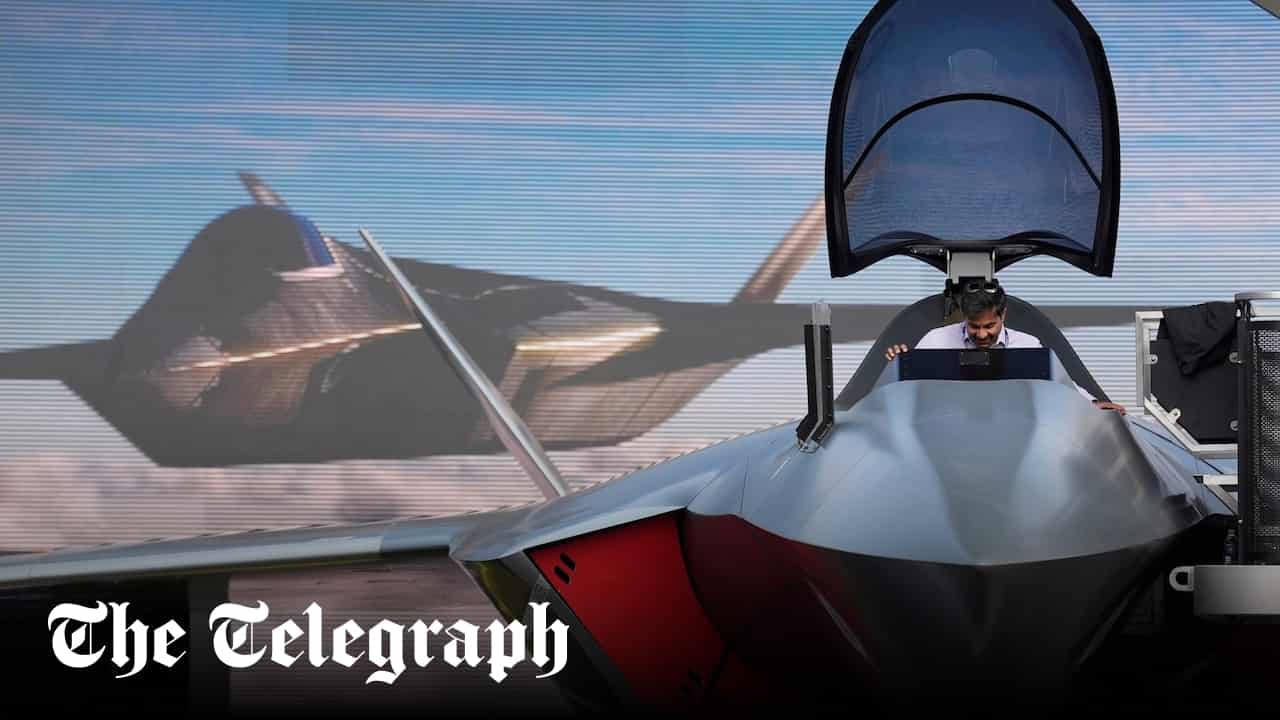
Air Chief Marshal Sir Harv Smyth, the head of the Royal Air Force, said the Global Combat Air Programme (GCAP) would be the RAF's last manned combat aircraft, in a piece published by The Telegraph on November 21, 2026. GCAP is a project involving Britain, Italy and Japan to build a sixth-generation stealth combat aircraft. Smyth wrote that the project was "perhaps the last crewed fighter we will ever build" and that AI-enabled, uncrewed aircraft would "transform military aviation as profoundly as the shift from propellers to jets."
Smyth said uncrewed fighter jets would start flying in UK airspace in 2027. He said the future RAF would combine Typhoons and F-35s with autonomous systems, and that AI could tackle the "most dangerous tasks instead of humans" while enhancing human judgment rather than replacing accountability for military decisions.
The RAF has begun using unmanned systems in operations. In October 2026 it used a Protector drone, one of 16 procured, to monitor Russian warships and foreign vessels in the English Channel for the first time, alongside Royal Navy warships and helicopters. Smyth also said a laser-guided rocket system fitted to Typhoon jets helped tackle Iranian drones.
He described a near five-year "attritional stalemate" in the war in Ukraine, stemming from neither side controlling the air above the battle, and said investment was essential for the RAF's transformation. The Telegraph reported that Chancellor John Healey has been accused of being non-committal on meeting NATO's target for member states to spend 3.5% of GDP on defense; in his first budget he set a target date of 3% by 2030 and said he would wait until 2027 to set out how the government would reach 3.5%. NATO members have agreed to raise defense and security spending to 5% of economic output by 2035.