Key facts
- Lt. Gen. Ireneusz Nowak said the Gripen pilot was authorized to engage once identification requirements were met, per Rzeczpospolita.
- Nowak said severe weather blocked identification of the object visually and through the aircraft's electro-optical systems.
- The Gripens flew under NATO's Combined Air Operations Centre in Uedem, Germany, on a two-month air defense deployment.
- Polish forces tracked 11 potentially threatening aerial objects during the November 20 attack, three of which crossed into Polish airspace.
- Mark Rutte said NATO's Gen. Alexus Grynkewich would assess threats to the alliance's defense and deterrence and make adjustments if necessary.
- Poland intends to seek additional forces and capabilities for NATO's Eastern Sentry operation.
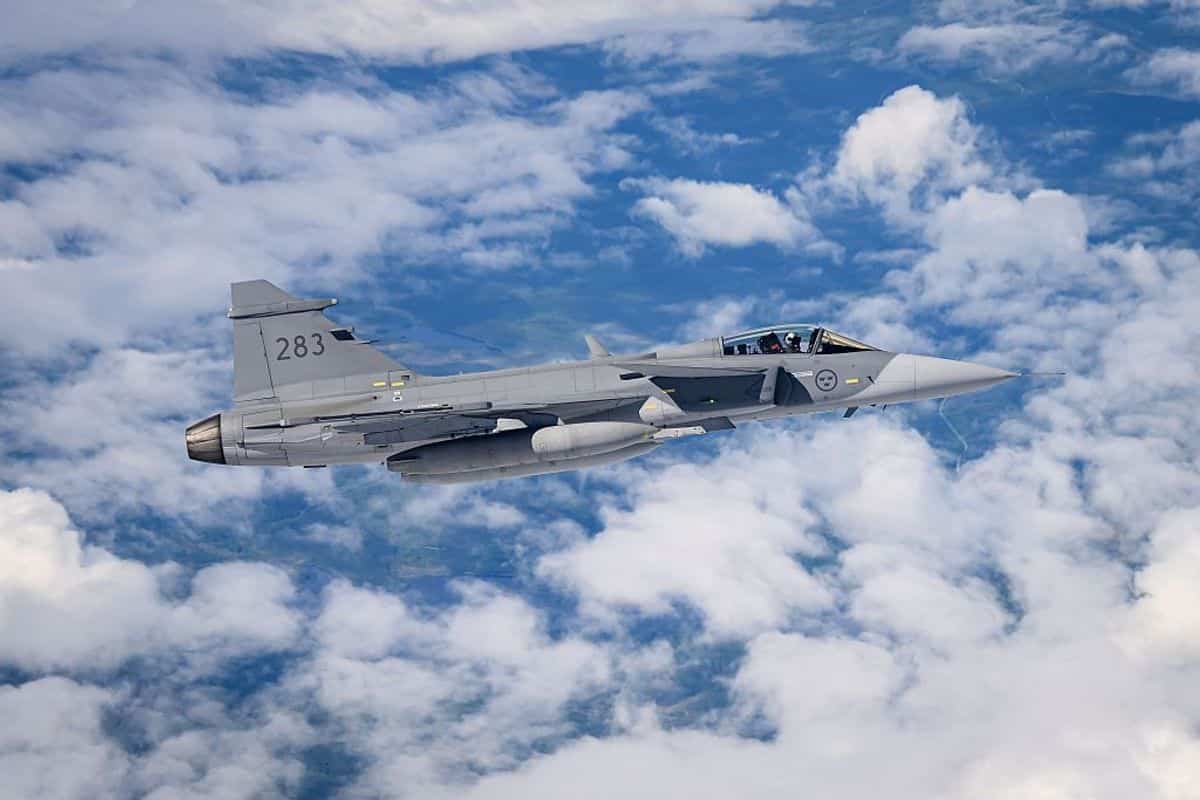
A Swedish Air Force pilot flying a JAS 39 Gripen under NATO command was authorized to shoot down a suspected Russian Kh-101 cruise missile over Poland on November 20 but did not fire because severe weather prevented identification of the target, Lt. Gen. Ireneusz Nowak, operational commander of the Polish Armed Forces, told the newspaper Rzeczpospolita, according to Hromadske.
Nowak said the pilot could not identify the object visually or through the aircraft's onboard electro-optical systems. The Gripens operated under NATO's Combined Air Operations Centre in Uedem, Germany, which issued conditional authorization to engage once identification requirements were met. The aircraft were part of a two-month NATO air defense deployment to protect Polish airspace; the Swedish Armed Forces said the fighters were primarily based in Sweden but could operate from a forward air base in Poland.
The incident came during a large-scale Russian attack on Ukraine. Polish forces tracked 11 potentially threatening aerial objects, three of which crossed into Polish airspace. Two Swedish Gripens and two Polish F-16s were deployed, supported by a Saab 340 airborne early warning aircraft, a Dutch aerial refueling aircraft and ground-based air defense systems. Nowak said Poland also received tracking information from Ukraine through its Virazh air surveillance system.
Polish Defense Minister Władysław Kosiniak-Kamysz previously said two Russian missiles and a suspected jet-powered drone fell on Polish territory during the attack. No injuries were reported. Poland's Prime Minister Donald Tusk described the incursions as a possible deliberate Russian provocation, saying their timing was unlikely to be coincidental given military exercises involving Ukraine's European allies, according to Reuters.