Key facts
- Kyiv residents are experiencing severe mental exhaustion due to relentless Russian aerial attacks.
- Experts view the prolonged pressure and constant air raid alerts as a deliberate tactic of terror by Russia.
- The attacks have caused significant psychological distress, sleep disruption, and an inability to plan normal life.
- Children are particularly affected, with many starting the school year in shelters and experiencing moderate to high levels of stress.
- A new alert system is being implemented to distinguish between drone and missile threats.
- Some Ukrainian officials anticipate the ongoing drone attacks may persist until Russia's parliamentary elections.
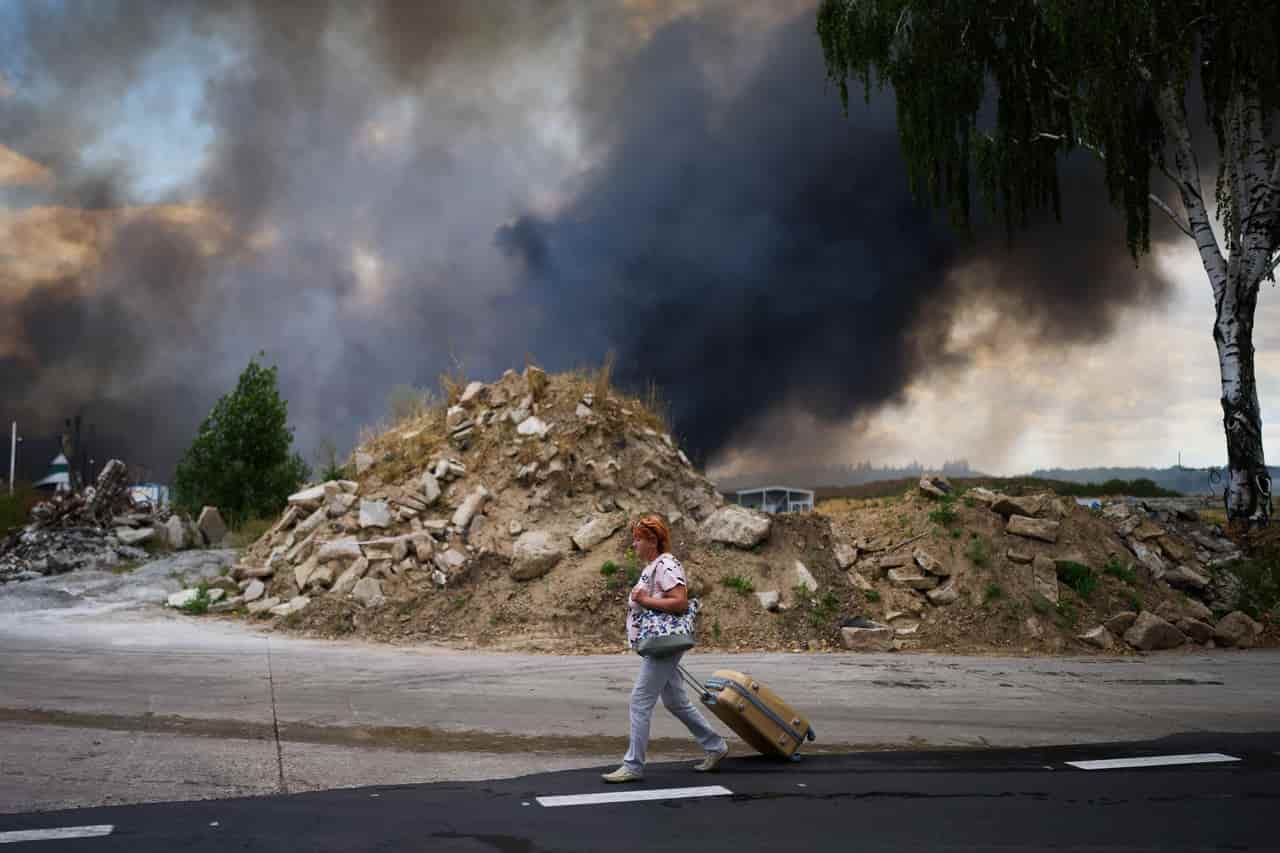
Kyiv residents are facing severe psychological distress due to a sustained period of relentless Russian aerial attacks, with experts characterizing the ongoing onslaught as a deliberate tactic of terror. Since August 27, the city has endured near-constant air raid alerts, averaging nine hours daily, leading to sleepless nights and profound anxiety.
Psychologists and public health specialists describe the situation as intentional psychological pressure on the civilian population. The combination of sirens, explosions, interrupted sleep, and the anticipation of further attacks prevents normal life planning and causes significant mental exhaustion. This strategy aims not only to physically weaken the opposition but also to demoralize the population by creating a pervasive sense of insecurity.
The impact is particularly acute for children, with many starting the school year in shelters. Studies indicate that a significant percentage of school-age children experience moderate to high levels of stress and anxiety during air raid alerts, potentially leading to lifelong behavioral patterns. While adaptation measures, such as a new alert system differentiating threat levels, are being implemented, experts caution that adaptation is not a complete defense against prolonged stress.
Some Ukrainian officials suggest the current wave of drone attacks might continue until Russia's parliamentary elections in mid-September. Residents are left uncertain about the duration of the ordeal, grappling with the immediate consequences of the attacks and the fear of what may come next.