Key facts
- The Pentagon has ordered U.S. arms manufacturers to significantly accelerate weapons production.
- The directive is a response to the depletion of U.S. munition stockpiles due to the ongoing war with Iran.
- Deputy Defense Secretary Steve Feinberg issued a memo demanding faster delivery schedules and increased production capacity.
- Estimates suggest nearly two-thirds of Patriot missile interceptors and almost one-third of Tomahawk missiles have been depleted.
- Concerns are being raised that depleted inventories could impact the U.S. ability to engage in future conflicts, especially against China.
- The Pentagon is requesting billions in increased spending for munitions, including for Tomahawk, THAAD, and Patriot missiles.
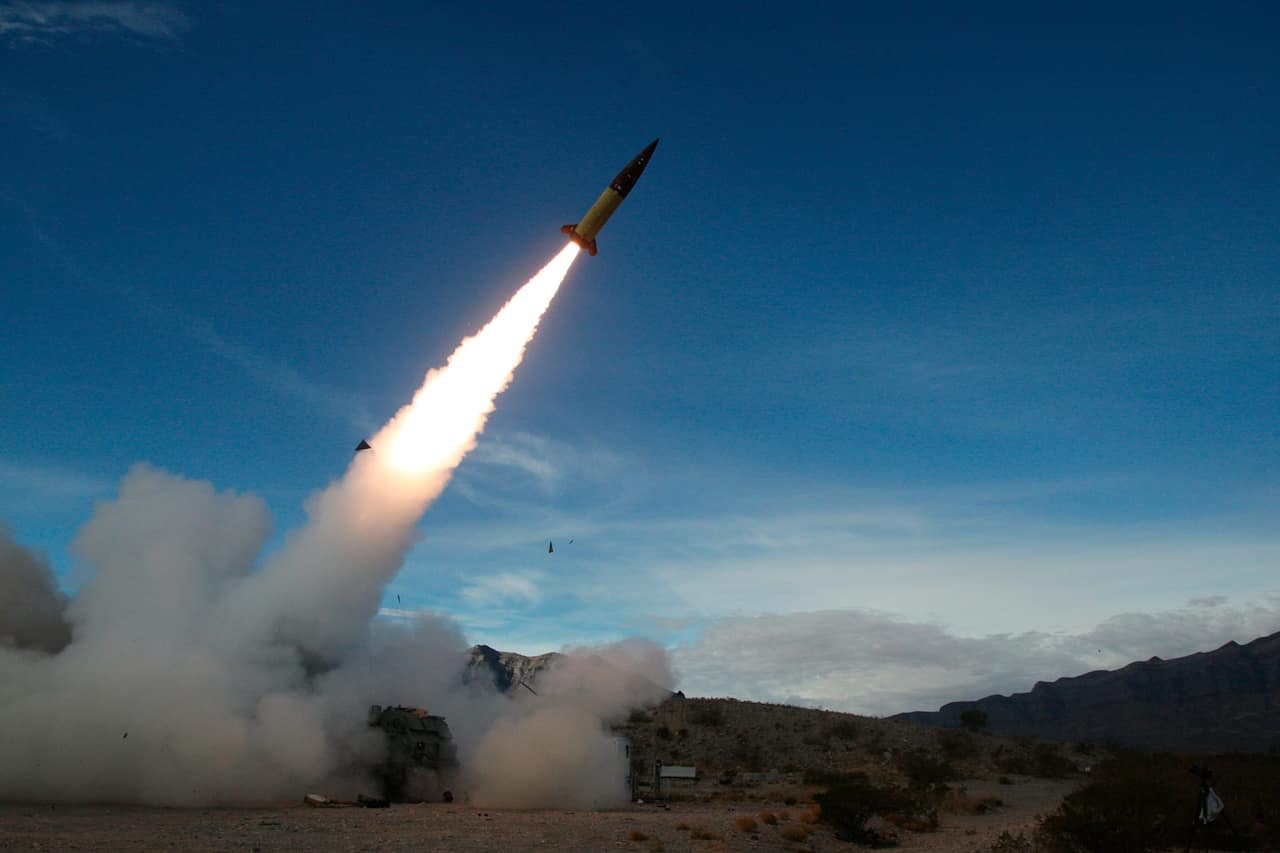
The Pentagon is pressing U.S. defense contractors to accelerate weapons production to replenish depleted munitions stockpiles from the ongoing war with Iran. Deputy Defense Secretary Steve Feinberg issued a memo demanding that defense companies submit plans within 21 days for significantly faster delivery schedules and increased production capacity, stating that 'years-long development cycles are not acceptable.'
The directive highlights the strain the conflict has placed on U.S. weapons reserves. Analysis from the Center for Strategic and International Studies suggests that nearly two-thirds of Patriot missile interceptors and almost one-third of Tomahawk missiles have been depleted. Concerns are being raised that these shrunken inventories could impact the U.S. ability to engage in future conflicts, particularly against China.
In response, the Pentagon is requesting billions in increased spending for munitions, with a fiscal year 2027 budget request that includes substantial increases for Tomahawk missiles, precision strike missiles, THAAD, and Patriot missile enhancements. Framework agreements have been established with defense contractors Northrop Grumman and Lockheed Martin to expand the production of critical Patriot and THAAD interceptor components.
President Donald Trump has publicly stated that the U.S. has 'massive amounts' of munitions and that 'large amounts are being manufactured and shipped to the U.S. as needed.' However, the Pentagon confirmed Feinberg's memo seeking rapid escalation of weapons production is real and will inform future budget submissions. A defense spending bill remains stalled in Congress, with lawmakers resisting the White House's request to substantially increase Pentagon spending.