Key facts
- A draft agreement to secure shipping lanes in the Strait of Hormuz has been finalized by Iranian and Omani negotiators.
- The deal awaits approval from Iran's supreme leader, Ayatollah Ali Khamenei.
- The proposed arrangement would direct ships through Iranian-controlled waters entering the Persian Gulf and Omani-administered routes leaving it.
- Transit fees are a significant obstacle, with Iran seeking 5-7% of cargo value and Oman proposing 3%.
- The US has rejected any deal requiring ships to pay Iran for passage through the waterway.
- Traffic through the Strait of Hormuz is currently at a fraction of normal levels.
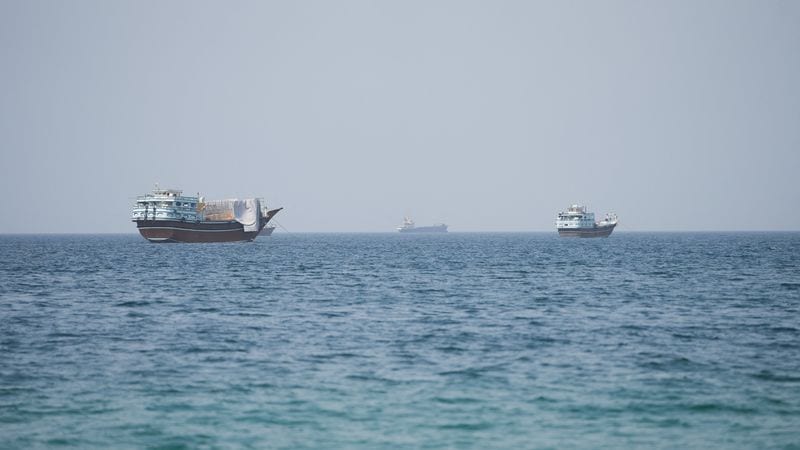
A draft agreement aimed at reopening the Strait of Hormuz, a critical chokepoint for global oil and LNG exports, has reportedly been finalized by Iranian and Omani negotiators. The deal, which requires approval from Iran's supreme leader, Ayatollah Ali Khamenei, would allow ships to transit the waterway under specific conditions. The proposed arrangement would direct vessels entering the Persian Gulf through waters controlled by Iran, while those leaving would use a route administered by Oman. This initiative seeks to revive parts of a previous U.S.-Iran memorandum that collapsed amid renewed attacks on shipping. However, significant obstacles remain, particularly concerning transit fees, with Iran seeking between 5% and 7% of cargo value and Oman proposing a 3% charge. The U.S. administration has firmly rejected any arrangement that involves paying Iran for passage through what it considers an open international waterway. The diplomatic efforts come as traffic through the Strait of Hormuz has significantly decreased since the conflict in the region began. Oil prices initially reacted to the news with a dip on expectations of restored exports, but later recovered as attacks on regional shipping persisted. The Houthi group claimed responsibility for firing ballistic missiles at a Saudi tanker near the Red Sea port of Yanbu, adding to ongoing maritime security concerns.