Key facts
- Ukraine faces a critical shortage of air defense interceptors, including Patriot missiles, due to escalating Russian attacks.
- US Patriot interceptor inventories have been significantly depleted by operations in the Middle East.
- Estimates suggest US Patriot PAC-3 MSE interceptor stocks have fallen from over 2,300 to around 800.
- Rebuilding US interceptor stockpiles is projected to take years, with production aiming for 2,000 per year by 2030.
- Ukraine is increasingly looking to European allies for air defense support as US supplies are strained.
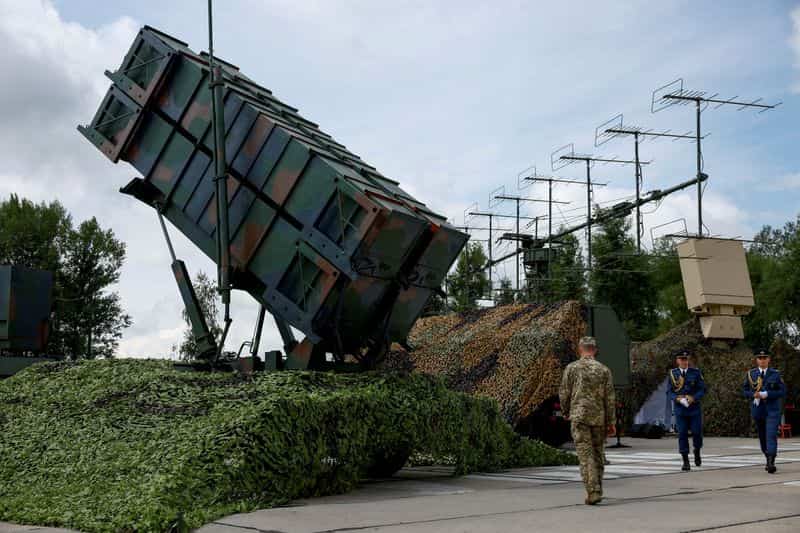
Ukraine is facing a severe crisis in its air defense capabilities, with dwindling supplies of interceptor missiles, particularly for the U.S.-provided Patriot system. This shortage leaves the nation increasingly vulnerable to escalating Russian ballistic missile attacks, which have intensified recently, targeting Kyiv and other regions.
President Volodymyr Zelenskyy has warned that Ukraine has received only a third of the air-defense interceptors this year compared to the same period in 2025, urging international partners to expedite deliveries and accelerate production. Latvian Foreign Minister Baiba Braze, witnessing a recent attack firsthand, condemned Russia as a 'terrorist state.'
Concerns are mounting over the U.S. ability to provide further interceptors. A report by the Center for Strategic and International Studies (CSIS) estimated that U.S. stocks of Patriot PAC-3 MSE interceptors have fallen from over 2,300 to approximately 800 due to extensive use in military operations, including against Iran. Mark Cancian, a CSIS adviser, stated that Washington has little flexibility to supply Ukraine, suggesting a need to explore alternative systems like the Soviet-designed S-300.
Despite some conflicting reports and assurances from U.S. officials, including Defense Secretary Pete Hegseth and President Donald Trump, who insisted on 'massive' munitions amounts and pledged manufacturing support, internal administration sources suggest the CSIS estimates are broadly accurate. Rebuilding U.S. stockpiles is a long-term endeavor, with production aiming to increase significantly but facing competition from other allies who have also depleted their inventories.
This situation poses immediate risks for Ukraine as winter approaches and with intelligence suggesting potential deployment of North Korean missile units to western Russia. While analysts like Kervin Aucoin believe Ukraine will adapt, the reduced U.S. supply could also influence adversaries' perceptions of American military readiness. As U.S. supplies are strained, Ukraine is increasingly looking towards European allies for support, with discussions underway regarding joint production of Patriot interceptors.