Key facts
- Floods in Nepal have damaged 281 megawatts of installed hydropower capacity and 388 MW under construction.
- Exports to Bangladesh have effectively stopped due to damage to two key hydropower projects.
- Nepal's electricity exports have fallen from an average of 1,000 MW to around 650 MW.
- Twelve hydropower projects have ceased generation, and three are operating in 'isolated mode' due to transmission line damage.
- India has yet to renew export approvals for three hydropower projects totaling 73.75 MW, further limiting exports.
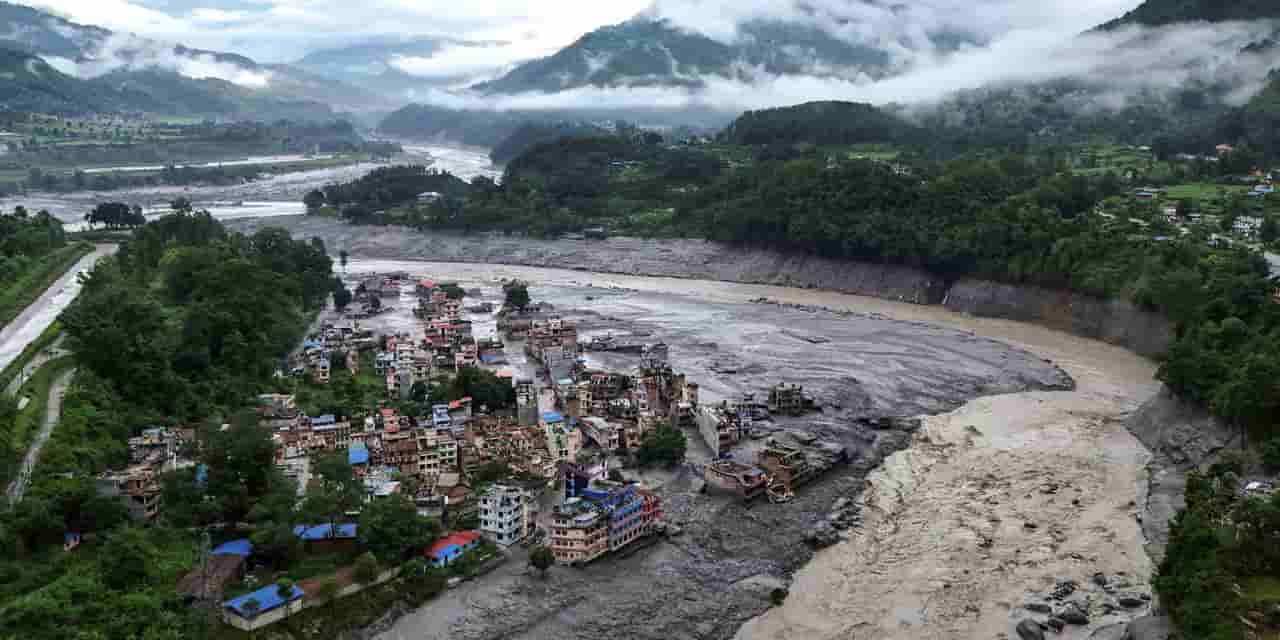
Devastating floods in Nepal in late August have crippled the country's electricity generation and exports, impacting its economic growth strategy. The monsoon rains, which typically boost river flow for hydropower plants, instead caused widespread damage to infrastructure, including towns, roads, hotels, and power plants.
The floods on the Bhotekoshi river system on August 26 have shut down multiple hydropower projects and sharply reduced Nepal's electricity exports. Exports to Bangladesh, which had recently begun receiving Nepali electricity through the Indian grid, have effectively stopped. Nepal's electricity exports have fallen from an average of about 1,000 megawatts during the wet season to around 650 MW.
Two specific hydropower projects authorized to supply Bangladesh, the 22.1 MW Chilime Hydropower Project and the 24 MW Trishuli Hydropower Project, have been damaged and ceased generation. In total, generation has stopped at 12 hydropower projects, and three others are in 'isolated mode' due to damaged transmission lines.
Beyond the direct flood damage, Nepal faces additional constraints on its exports. India has yet to renew export approvals for three hydropower projects totaling 73.75 MW, which expired between June and July. These annual renewals are necessary for Nepal to sell surplus electricity to India through various markets and bilateral agreements.
Experts suggest the disaster should prompt Nepal to rethink its strategy, prioritizing domestic consumption over its export-driven hydropower model due to physical disaster risks and falling electricity prices in India. The floods have jeopardized Nepal's status as a net exporter and accelerated calls to increase solar power capacity.