Key facts
- Canada is increasing crude oil exports to the U.S. Gulf Coast.
- Enbridge's Houston Oil Terminal provides direct access for Canadian oil sands production to Gulf Coast refineries.
- Canadian oil accounted for over 60% of U.S. crude imports in 2024.
- Canadian crude processed in the U.S. Gulf Coast averaged 416,000 bpd in 2025.
- The Trans Mountain pipeline expansion is increasing capacity and diverting barrels to Asia.
- Energy products were exempted from Canada's retaliatory tariffs on U.S. goods.
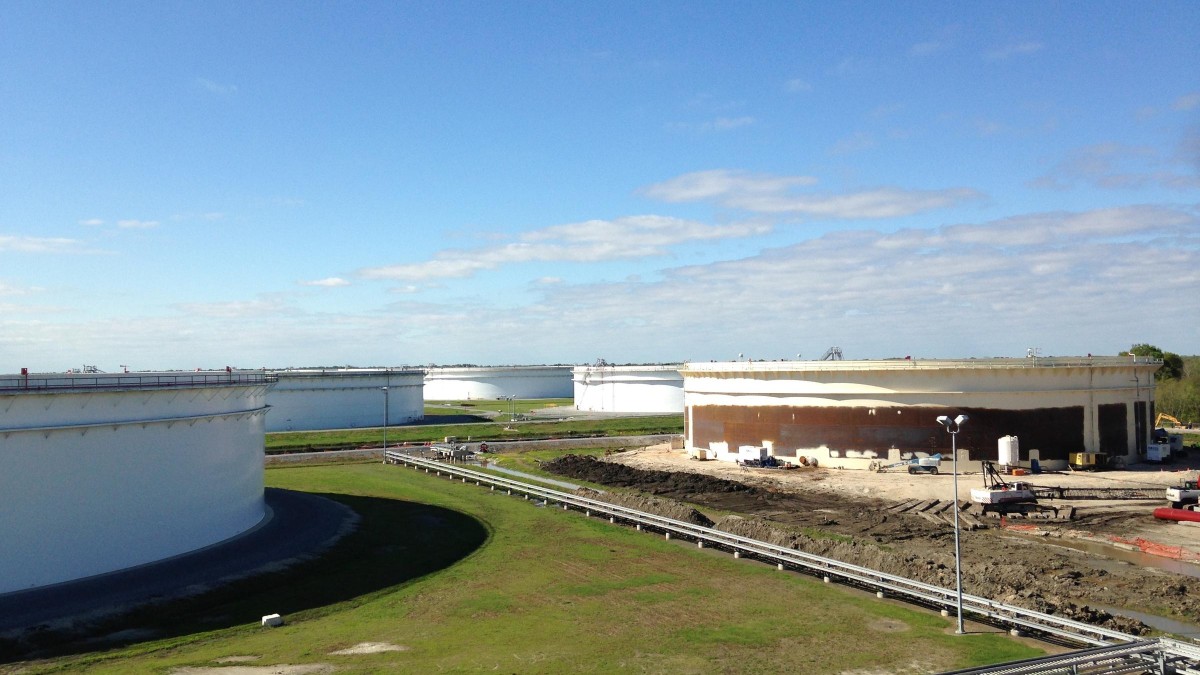
Canada is deepening its penetration into the U.S. Gulf Coast oil market, a region with significant capacity for processing heavy, sour crude. This strategic push is facilitated by new infrastructure like Enbridge's Houston Oil Terminal, which began operations in July and provides direct access for Canadian oil sands production. Many Gulf Coast refineries were originally designed to process similar grades from Venezuela and Mexico, making Canadian barrels a suitable alternative, especially as those supplies face uncertainties.
Despite ongoing trade disputes between the U.S. and Canada, the energy sector has remained largely insulated from retaliatory tariffs. Canada recently imposed duties on C$27.6 billion of U.S. goods, but the White House explicitly exempted energy products, critical minerals, and potash, ensuring the cross-border oil trade continues unimpeded.
The Midwest remains the primary market for Canadian crude, but the Gulf Coast represents a growing opportunity. EHOT is designed to increase the flow of Canadian heavy crude, with plans to expand its storage capacity significantly. Concurrently, Canada is also expanding its Pacific export route through the Trans Mountain pipeline expansion, which has reached full capacity and is slated for further increases, with much of this additional crude expected to head to Asia.