Key facts
- Missouri has asked the U.S. Supreme Court to reinstate a Republican-drawn congressional map.
- The state's Supreme Court had previously blocked the map, requiring voter approval via referendum.
Missouri is asking the U.S. Supreme Court to allow it to use a Republican-drawn congressional map for November's midterm elections, after the state's Supreme Court blocked the map. The move aims to help Republicans preserve their narrow U.S. House majority.
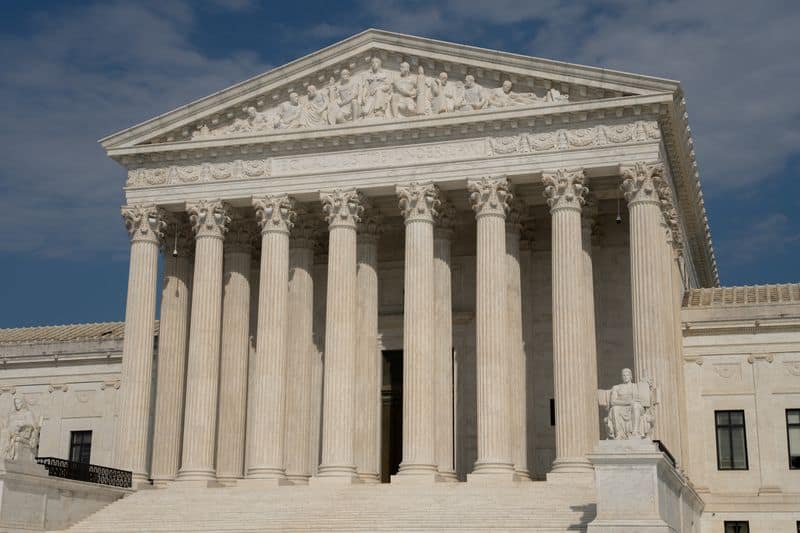
The U.S. Supreme Court's decision on Missouri's congressional map could significantly impact the balance of power in the U.S. House of Representatives, potentially influencing the outcome of the upcoming midterm elections and setting precedents for redistricting disputes.
Missouri has requested an emergency intervention from the U.S. Supreme Court to reinstate a Republican-drawn congressional map that was blocked by the state's Supreme Court. The state's Attorney General, Catherine Hanaway, argues that the state court's ruling, which mandates a voter referendum before the map can take effect, inflicts "unprecedented chaos" and violates federal law.
The Republican-drawn map, part of a broader effort to benefit Republican candidates and potentially preserve their narrow majority in the U.S. House of Representatives, would have dismantled the district of longtime Democratic Representative Emanuel Cleaver. The Missouri Supreme Court, in a unanimous decision with five Republican-appointed judges, ruled that the map requires voter approval in a November referendum. This decision forces Missouri to use an older electoral map for the upcoming elections, despite primaries already having been conducted under the new boundaries.
Missouri's Republican Secretary of State, Denny Hoskins, had previously rejected a referendum petition for the map, arguing that state constitutional provisions for referendums do not apply to congressional redistricting. However, the Missouri court dismissed this argument, with Judge Ginger Gooch stating the petition was legal and sufficient, and the map would not take effect without voter approval.
This dispute is part of a larger trend where congressional redistricting has become a point of contention, with Republicans aiming to improve their chances in several districts nationwide. The U.S. House currently holds a narrow 219-214 majority for Republicans.
Pick the topics you care about. Get only what matters, on your cadence.