Key facts
- An estimated 88.1 million U.S. adults, or 35.1%, experienced at least one sunburn in the past 12 months.
- 18.8 million U.S. adults, or 7.5%, reported having four or more sunburns in the past year.
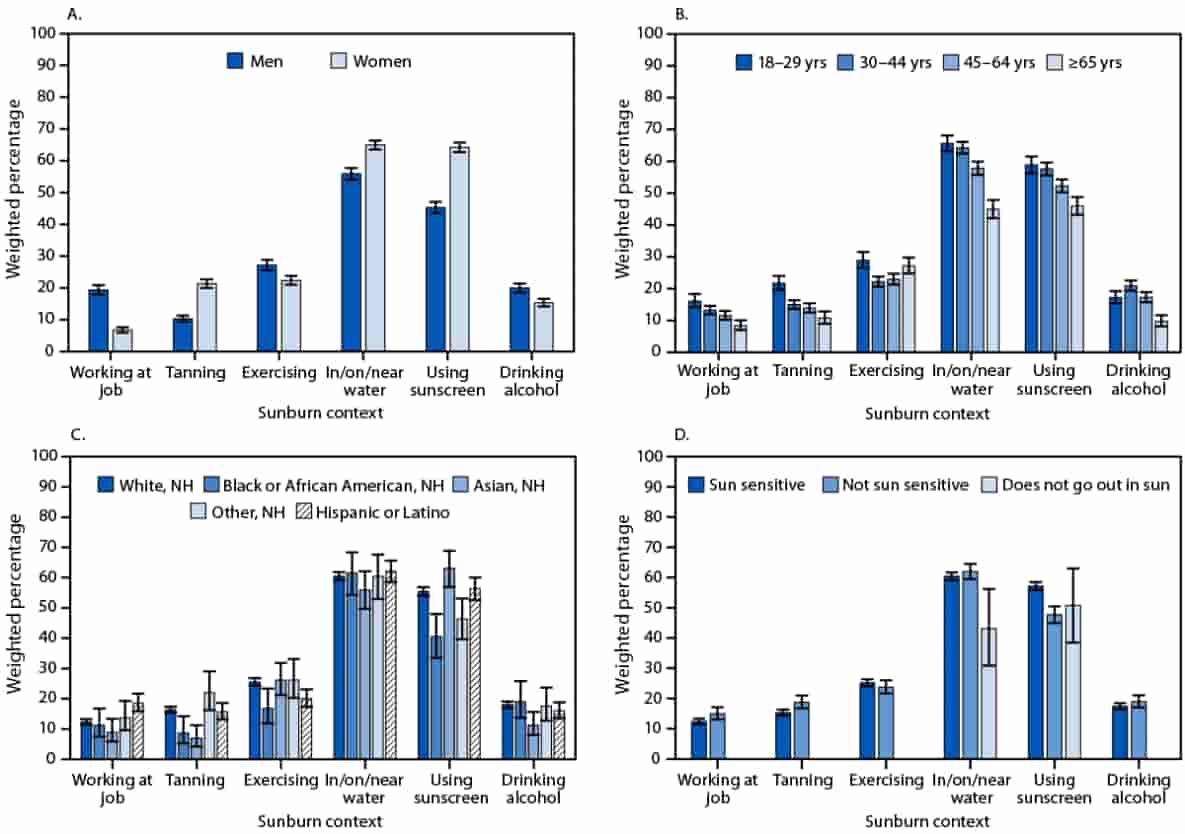
- The most common context for sunburn was water-related activities (60.6%), followed by exercising (24.7%) and drinking alcohol (17.6%).
- Over half of those who experienced sunburn (55.1%) reported it happened despite using sunscreen.
- Sunburn is identified as a primary modifiable risk factor for skin cancer.
A significant portion of U.S. adults are experiencing sunburn, with many reporting that it occurs even when they attempt to protect themselves, according to a 2024 National Health Interview Survey. The findings highlight a need for improved public health interventions to promote effective sun protection strategies and reduce the risk of skin cancer.
The survey revealed that an estimated 88.1 million U.S. adults, or 35.1%, had at least one sunburn in the preceding 12 months. Furthermore, 18.8 million adults, representing 7.5% of the total, reported experiencing four or more sunburns during the same period. This indicates a persistent issue with sun exposure and protection.
When asked about the circumstances surrounding their most recent sunburn, respondents most frequently cited spending time in, on, or near water (60.6%). Other common contexts included exercising (24.7%), drinking alcohol (17.6%), intentional tanning (15.9%), and working at a job (12.9%). These contexts suggest opportunities for targeted prevention efforts.
A particularly concerning finding is that approximately 55.1% of adults who experienced sunburn reported that it occurred despite their use of sunscreen. This suggests a potential gap in understanding or application of proper sunscreen usage, or that other factors may be contributing to sunburn even when sunscreen is applied.
Public health officials emphasize that sunburn is a primary modifiable risk factor for skin cancer, which is the most common cancer diagnosed in the United States. The data from this report are intended to guide the development and implementation of evidence-based interventions aimed at enhancing sun protection, preventing sunburn, and ultimately reducing skin cancer incidence.