Key facts
- IMF advised UK finance minister John Healey to prioritize property tax reform, broader sales taxes, and better-targeted welfare spending.
- The IMF suggested against raising taxes on banks or workers in the upcoming budget.
- British tax revenue has reached a historically high 40% of the economy.
- Prime Minister Andy Burnham plans to scrap the 'triple lock' system for state pensions.
The International Monetary Fund recommended on Friday that British finance minister John Healey should prioritize property tax reform, broader sales taxes, and better-targeted welfare spending over increasing taxes on banks or workers in his upcoming annual budget on October 28. The IMF praised the UK's fiscal policy for reducing borrowing and aiming for a balanced budget by the 2029/30 fiscal year.
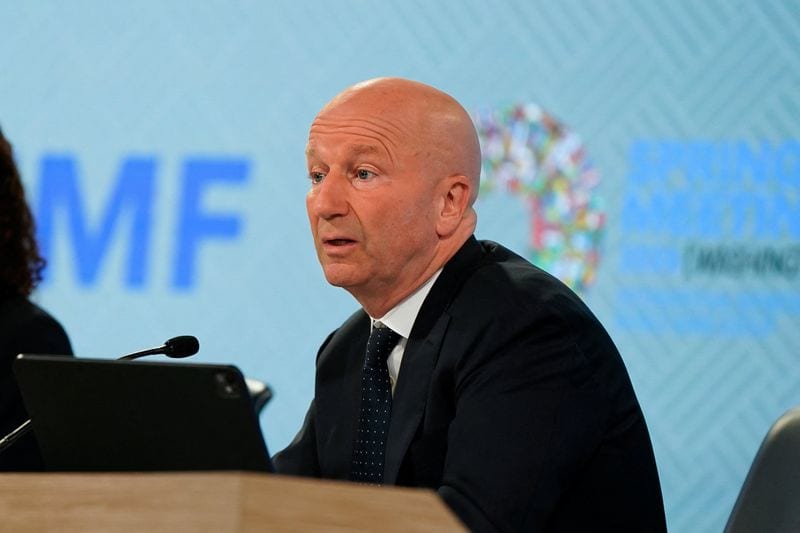
While Healey has pledged not to raise income tax or social security rates, he has indicated a potential increase in the bank profit surcharge, which currently raises £1 billion ($1.3 billion) annually. The IMF's deputy director for Europe, Helge Berger, stated that raising bank taxes is an option but not the preferred choice, noting that British tax revenue has reached a historically high 40% of the economy.
Berger also suggested that more expenditure-side measures, such as removing the "triple lock" system and improving the targeting of social benefits, would be beneficial. Prime Minister Andy Burnham has indicated plans to scrap the "triple lock" to finance more generous social care for the elderly, and the government is reviewing welfare payments for other groups.