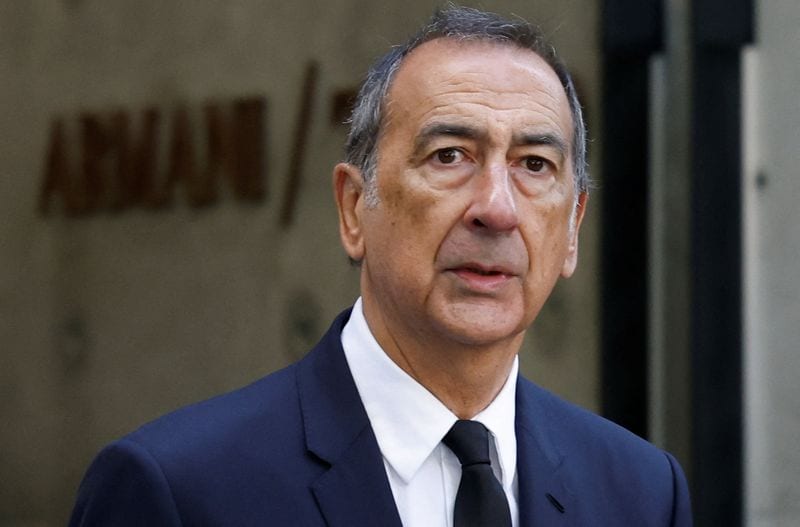
Milan prosecutors have asked a judge to drop a case against Milan Mayor Giuseppe Sala, property developer Manfredi Catella, architect Stefano Boeri and 13 other people investigated over alleged irregularities in the approval of building projects, according to a 19-page filing reviewed by Reuters.
The investigation also involved former urban planning councillor Giancarlo Tancredi among others and alleged offences including corruption, undue influence and false statements. Sala and Boeri were not investigated for corruption.
In the filing, prosecutors said the evidence gathered did not support a "reasonable prospect of conviction" for any of the 16 suspects and recommended dropping the case. They cited a ruling by Italy's highest court that conflicts of interest, failures by public officials to recuse themselves, professional and business ties between officials and property developers, and irregularities in planning procedures were not sufficient in themselves to prove a corrupt quid pro quo.
It will now be up to a judge to decide whether to accept the request and close the case or order further investigations. Court documents show prosecutors had previously argued the investigation into some of the largest redevelopment projects in Italy's financial capital uncovered a system aimed at facilitating the issuance of unlawful building permits and enabling highly speculative real estate transactions.
Milan's property market began booming in 2015, when the Expo world fair helped transform the city into a magnet for developers and investors, reshaping its skyline. Complaints from local residents over a sharp increase in high-rise developments triggered a series of investigations into alleged abuses in the approval of building permits, bringing much of the city's construction sector to a standstill.
While prosecutors have moved to drop the strand of the investigation centered on alleged corruption, several trials relating to suspected building and planning violations are still under way. Other investigations into alleged breaches of urban planning rules also remain at a preliminary stage.