Key facts
- The IOPC has recommended the Metropolitan Police investigate its own handling of the case involving Nicholas Brandram.
- Nicholas Brandram, 44, was found dead at his home on September 15, 2026.
- Brandram was arrested in June 2026 on suspicion of being the 'Putney Pusher', an incident that occurred on May 5, 2017.
- Brandram's family stated he took his own life due to the immense pressure of the police investigation.
- The IOPC will review the necessity and proportionality of Brandram's arrest, media engagement, and considerations for his welfare.
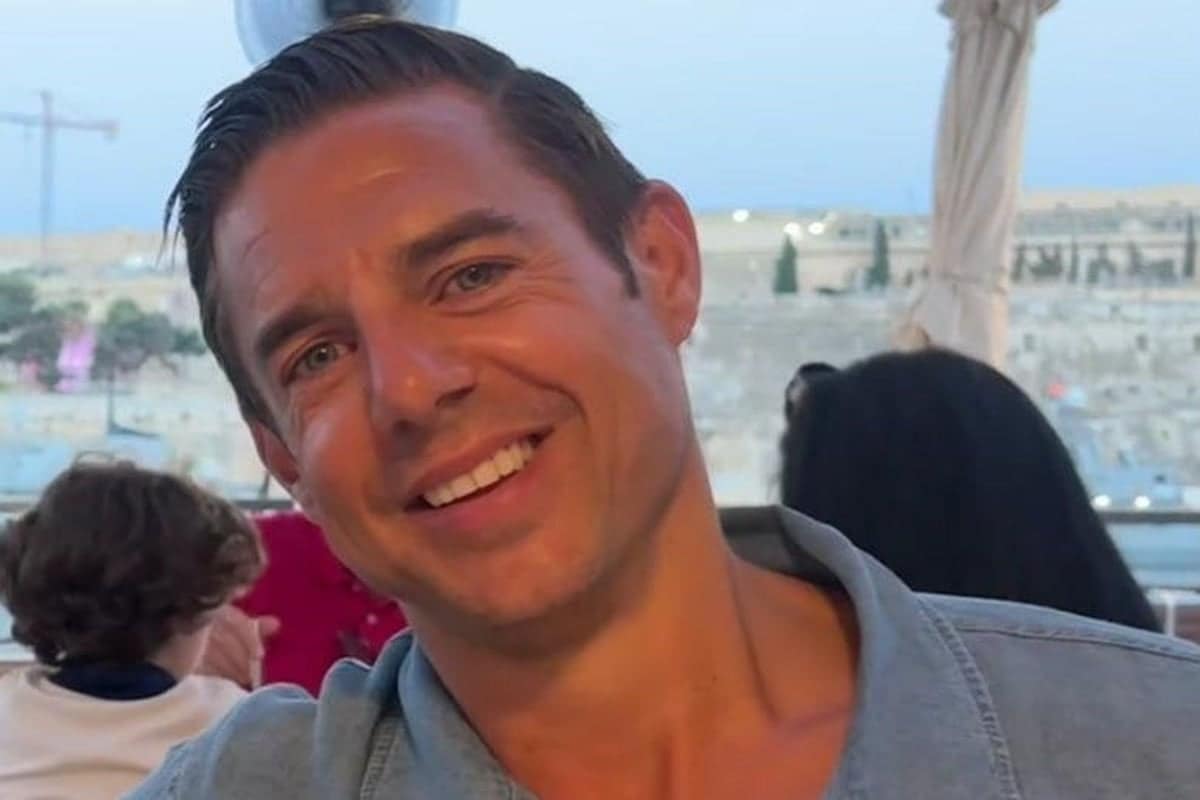
The Independent Office for Police Conduct (IOPC) has recommended that the Metropolitan Police investigate its own professional standards unit regarding the handling of the case involving Nicholas Brandram, who was suspected of being the 'Putney Pusher'. Brandram, 44, was found dead at his home in Chiswick on September 15, 2026. His family stated that he took his own life after months of immense pressure from the Metropolitan Police investigation, asserting that he was not the 'Putney Pusher' and that the Met knew this but had not formally cleared his name.
The Met Police made a mandatory referral to the IOPC on September 16, 2026, the day after Brandram's death and before his family publicly blamed the force. An IOPC spokesperson confirmed they are assessing the referral to decide if further action is required. Chief Superintendent Dan Knowles stated that the investigation remains ongoing, with outstanding lines of inquiry and forensic examinations taking months to complete.
Brandram was arrested on June 15, 2026, following new information received by officers in April. The Met assessed the arrest as necessary and proportionate to seize devices and conduct searches. The family alleges that the Met has not accounted for specific evidence, including delays in DNA analysis, an unorganized identification parade, and email evidence placing Brandram at his office during the 2017 incident. They also claim the Met's press office released information that led to speculation about his identity online, and that his lawyers conducted investigative work that should have been done by the police. The family had repeatedly asked the Met to end the investigation due to its impact on Brandram's mental health.
Being released under investigation means a person is not subject to bail conditions but does not formally clear their name; only a decision of no further action does so. While police did not name Brandram after his arrest, his identity circulated widely in the media. National outlets, including the BBC and The Times, named him after his death.