Key facts
- A 12TB data leak, known as the "teraleak," has been released, containing over a decade of Steam game content.
- The leak comprises data from Steam's "Steam2" server architecture, active between 2003 and 2013.
- It includes thousands of game "depots," encompassing pre-release, prototype, and playtest versions of titles.
- Content from Valve's own games, like Portal 2 and hints of Half-Life 2: Episode 3, as well as third-party titles, are present.
- The data was reportedly obtained through a publicly accessible API endpoint or archived before Steam's 2013 system update.
A massive 12TB data leak, dubbed the "teraleak," has surfaced, offering a glimpse into over a decade of PC gaming history from Steam's defunct "Steam2" server architecture, active between 2003 and 2013. The collection reportedly includes thousands of game "depots," featuring not only public release builds but also previously unseen pre-release, prototype, and playtest versions of titles from Valve and various third-party publishers.
The leak's content abruptly ends in 2013, coinciding with Valve's transition from the "Steam2" system to the current SteamPipe architecture. This shift involved moving from a proprietary file distribution format to standard HTTP file trees, streamlining update processes.
Sources suggest the data was accessed via a publicly available API endpoint or was privately archived before the 2013 server transition. Some speculate it's a compilation of files hoarded by individuals over the years. A readme file included with the leak encourages widespread sharing.
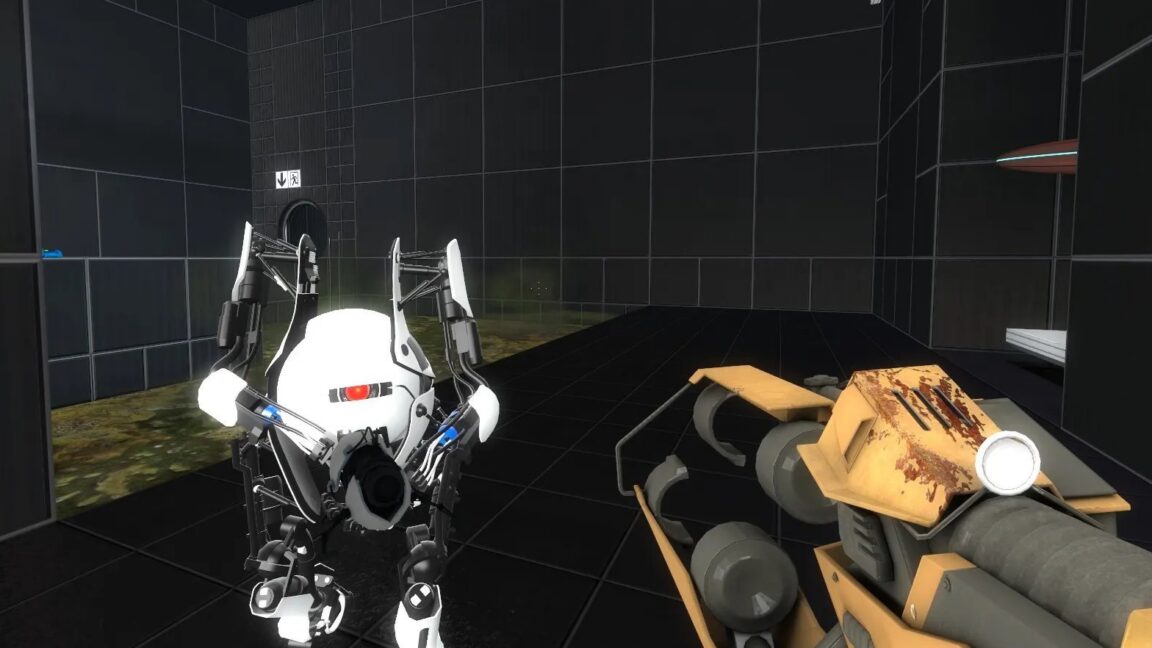
Gaming communities are actively sifting through the teraleak, with notable discoveries including playable pre-release versions of Portal 2 containing cut content like new dialogue and unique gameplay mechanics. Hints of Half-Life 2: Episode 3 and cut content from Left 4 Dead 2 and CS: GO have also been reported. Beyond Valve's own titles, early versions of games from third-party publishers like Spore, Dragon Age: Origins, and Batman: Arkham Asylum are also part of the leak.
While the leak does not contain recent games, it raises concerns about the security of historical game development data and potential piracy implications. The incident highlights Valve's servers as a significant point of failure for preserving a large portion of PC game development history.