Key facts
- Meta is updating privacy settings and conducting a PR campaign for its AI smart glasses.
- The glasses feature a front-facing LED that lights up when photos or videos are being captured.
- The camera cannot be turned off or covered without ceasing operation.
- Meta has taken action against accounts misusing the glasses for harassment.
- Some venues are restricting or banning smart glasses due to privacy concerns.
- Meta has partnered with celebrities and run advertising campaigns to promote the glasses.
Meta is actively working to counter negative public perception surrounding its AI smart glasses, which have drawn criticism for privacy issues and misuse, including covert recording and harassment. The company is updating privacy settings and launching a public relations effort to address these concerns.
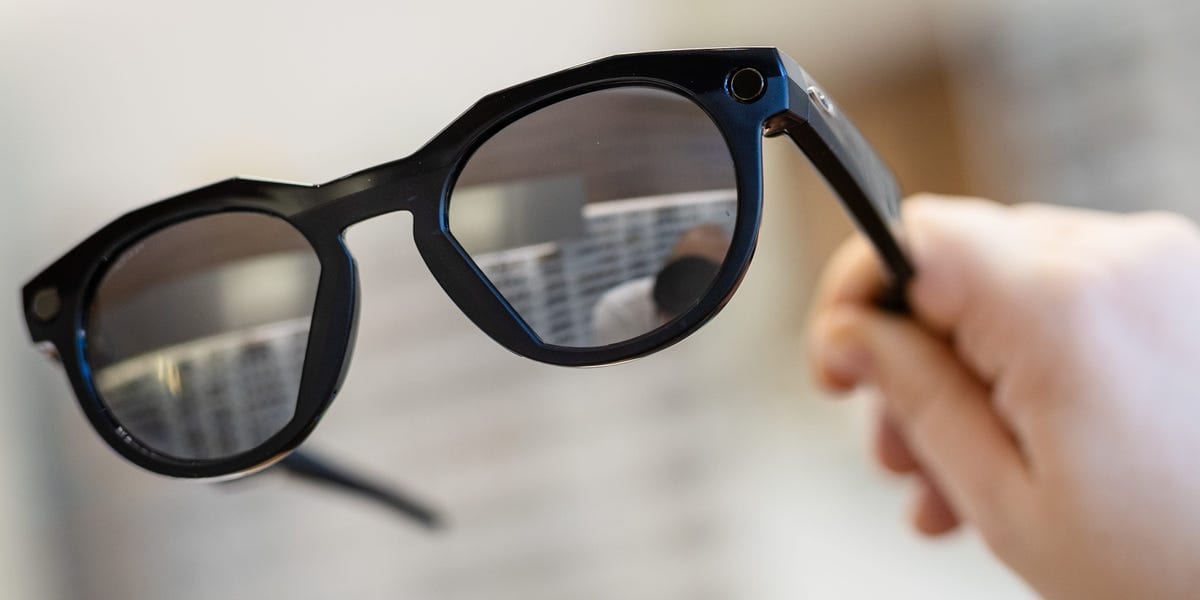
Meta's Chief Technology Officer, Andrew Bosworth, explained in an Instagram video that the smart glasses are designed with a visible front-facing LED light that illuminates when the camera is active for photo or video capture. He noted that the camera cannot be switched off or covered without interrupting its function. Meta has also stated it is taking down content and accounts that misuse the devices for harassment.
Alex Himel, Meta's vice president of wearables, reinforced these points on Threads, assuring that the glasses will prevent recording if the LED indicator is obstructed. The company is committed to rolling out further updates to ensure the LED reliably alerts bystanders. Despite these measures, reports indicate that Meta has not been entirely successful in identifying all instances of misuse.
To boost the glasses' appeal, Meta has collaborated with celebrities like Kylie Jenner and Teyana Taylor and produced a Super Bowl advertisement. However, the growing accessibility of smart glasses has prompted some event organizers to implement restrictions. The Burning Man festival will require attendees to obtain consent before filming with smart glasses, while the New York City nightclub Basement has updated its policy to ban all smart eyewear, with violators facing permanent bans. The DEFCON Hacking Conference had previously prohibited such devices.