Key facts
- Brazil's Superior Electoral Court (TSE) is set to implement new regulations on AI-generated content in elections.
- The TSE is addressing concerns over AI avatars, deepfakes, and misinformation impacting the upcoming presidential election.
- AI-generated content, including campaign songs and altered videos, has been widely shared by political campaigns.
- The TSE has already received 19 cases related to AI use in the election campaign.
- Chatbots have been found to recommend or rank candidates, despite future bans on such practices.
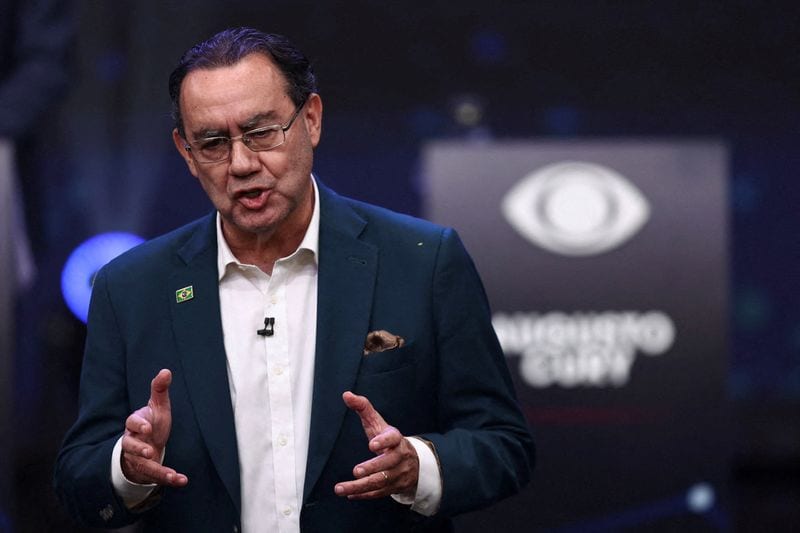
- Augusto Cury, a psychiatrist and author, has become a notable third-place contender in presidential polls.
Brazilian authorities are racing to establish regulations for artificial intelligence use in the upcoming presidential election, as AI-generated content proliferates on social media. The Superior Electoral Court (TSE) is expected to announce new limits on AI-generated or altered electoral content, addressing concerns about misinformation and the integrity of the democratic process. This comes as campaigns, particularly those aligned with Senator Flavio Bolsonaro, have embraced AI for content creation, including AI avatars and campaign songs. The TSE has already received numerous cases related to AI use and is working to define deepfakes and restrict AI's influence on voters. Meanwhile, psychiatrist and author Augusto Cury has emerged as a surprise third-place contender in presidential polls, gaining significant ground and disrupting the race between President Luiz Inácio Lula da Silva and Senator Bolsonaro.