Key facts
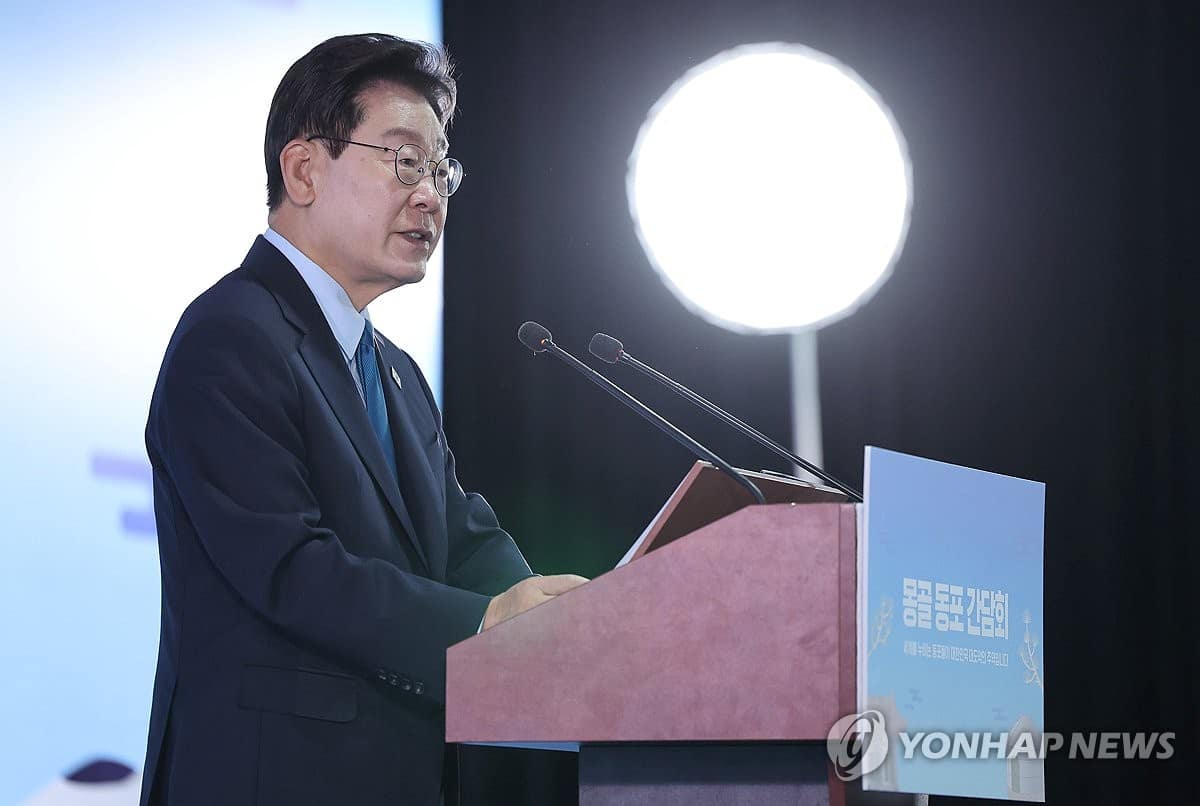
- South Korean President Lee Jae Myung attended the NATO summit in Ankara.
- South Korea and NATO agreed to begin negotiations on a procurement framework agreement.
- Lee proposed an expanded 'Korea-NATO Defense Industry Partnership 2.0' to boost defense cooperation.
- The agreement aims to grant South Korean firms access to NATO's $10 billion defense procurement market.
- Europe's increased defense spending is driven by the Russia-Ukraine war and U.S. pressure.
- South Korean defense contracts with European NATO members totaled $24.26 billion from 2022-2025.
- South Korea pledged $100 million in non-lethal aid to Ukraine.
South Korean President Lee Jae Myung's participation in the NATO summit in Ankara signals an intensified effort by Seoul to expand its arms exports to Europe, a region increasing defense spending amid security challenges. Lee met with NATO Secretary General Mark Rutte, agreeing to initiate negotiations for a South Korea-NATO procurement framework. He also proposed an enhanced 'Korea-NATO Defense Industry Partnership 2.0' to broaden cooperation beyond transactions to joint research, production, and operations.
This move is seen as a crucial step for South Korean defense firms to access NATO's substantial defense market and establish supply chains with the alliance. The push for such an agreement coincides with Europe's heightened defense expenditures, influenced by the ongoing Russia-Ukraine war and calls for greater alliance contributions. South Korean military systems have become increasingly vital for NATO countries seeking to upgrade their arsenals.
Combined arms imports by 29 European NATO members have seen a significant increase. South Korean firms have secured substantial defense contracts from European NATO members, with Poland being a key partner, having signed a major framework agreement for tanks, howitzers, aircraft, and rocket launchers, followed by an additional contract for Chunmoo batteries.
Lee also emphasized the importance of unifying defense industry standards among countries to facilitate long-term trade partnerships. The article notes that Canada's selection of a German bidder for its submarine project over a South Korean consortium may have prioritized interoperability within NATO. Lee also stressed the need for cooperation beyond mere sales, advocating for joint defense production, development, and expansion into third-country markets. Demonstrating commitment to regional security, South Korea pledged $100 million in non-lethal aid to Ukraine.