Key facts
- Israeli troops remain close to West Zawtar, Lebanon, despite a July withdrawal from the village itself.
- Residents of West Zawtar report hearing Israeli soldiers and tanks and being surveilled by drones.
- The Israeli military is demolishing homes in surrounding occupied towns with controlled detonations and bulldozers.
- The withdrawal was part of a US-backed 'pilot zone' plan for Israel to gradually leave southern Lebanon in exchange for Hezbollah disarmament.
- The pilot zone process has stalled, with no further withdrawals agreed upon.
- Displaced residents of East Zawtar, still occupied by Israeli troops, are witnessing the demolition of their homes.
Residents of West Zawtar, Lebanon, are living in close proximity to Israeli troops and ongoing military operations, despite a July withdrawal from their village. The withdrawal was intended as the first step in a US-backed 'pilot zone' plan for Israel to gradually disengage from southern Lebanon in exchange for Hezbollah's disarmament. However, the plan has stalled, leaving residents like Mariam al-Yaghi accustomed to hearing Israeli soldiers and tanks nearby and being surveilled by drones.
Israeli troops continue to occupy a self-declared security zone in southern Lebanon, demolishing homes in surrounding villages with controlled detonations and bulldozers. Yaghi described her home being hit by a tank shell and her water tank pierced, with repairs delayed due to the damage. Many of her neighbors have not returned as their homes were pulverized. Residents whose groves are near Israeli positions have sought access through a US-led coordination mechanism.
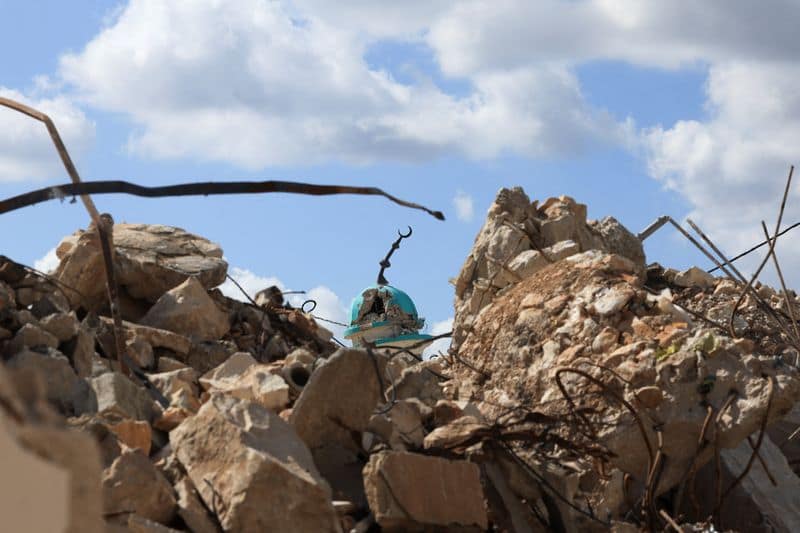
East Zawtar, a village adjacent to West Zawtar, remains occupied by Israeli troops who are systematically demolishing it. Displaced residents from East Zawtar are observing the destruction from West Zawtar, with one man reporting lights in his house, suggesting Israeli troops were laying explosives.
West Zawtar's mayor, Abed Ezzedine, stated the pilot zone program has not been successful, citing the lack of public services like electricity and running water. Approximately 70 families have returned, often living in damaged parts of their homes. While the Lebanese state has provided prefabricated houses, they remain largely unoccupied due to the absence of utilities. State workers are working to extend electrical lines, but the old connection ran through East Zawtar, requiring a new route. Surveillance drones continue to monitor the area.