Key facts
- Labor Minister Kim Young-hoon proposed a social dialogue to discuss a special bill concerning mega-scale semiconductor clusters.
- The bill aims to relax labor regulations, including the 52-hour workweek limit.
- The government plans to introduce the bill by the end of the month.
- Discussions include exempting top earners from the 52-hour workweek and extending the selective working hour system's basis period.
- Major labor unions have condemned the proposed changes as anti-labor.
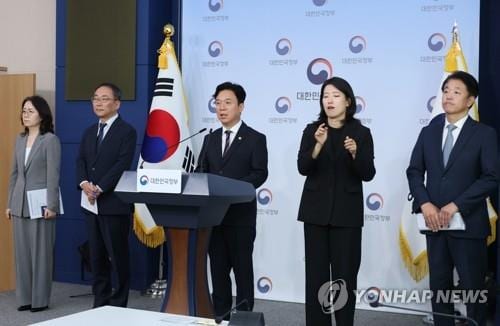
SEOUL, Sept. 15 -- Labor Minister Kim Young-hoon on Tuesday proposed a "one-point social dialogue" to discuss contentious issues surrounding an envisioned special bill that would significantly relax labor regulations, including the 52-hour workweek limit, in mega-scale semiconductor clusters. The government aims to introduce the so-called mega cluster bill by the end of this month. The bill may include a plan to exempt managers and researchers in the top 3 percent of income earners from the 52-hour workweek limit, as well as overtime, night and holiday work allowances. The nation's 52-hour workweek law was introduced in 2018 to prevent overwork. In addition, the government is considering extending the basis period for the selective working hour system from the current one month to six months in the special mega clusters. The selective working hour system is designed to allow employees to work intensively during a specific period, as long as their total working hours over the basis period do not exceed the limit. But the nation's two major umbrella labor unions have strongly condemned the government's move to relax the 52-hour workweek rule as an anti-labor policy and vowed to block the proposed special law. Kim held a press conference at the Seoul government complex to propose the single-issue social dialogue, saying that the special exemptions currently being discussed as part of the mega cluster bill represent a path that Korean society has yet to take. The minister said the bill will also include comprehensive regulatory exemptions and policy support covering fiscal measures, financing and infrastructure development. "We're discussing labor provisions applicable only within the special mega cluster zones. They are a core element of the bill, given that healthy labor is the driving force behind corporate value creation and our society's progress toward sustainable growth," Kim said. The minister then stressed that the proposed social dialogue will cover not only special labor provisions but also any proposals made by labor and management aimed at protecting workers' health and enhancing corporate productivity.