
Key facts
- Acting police chief Kim Jong-chul reaffirmed efforts for investigative reform.
- The National Police Agency is considering increasing the number of investigators.
- The agency is exploring AI and retired officers for simple tasks.
- Around 310,000 missing person cases are being reexamined.
- The police have examined about 128,000 cases so far.
- All missing person cases are planned to be reviewed by November.
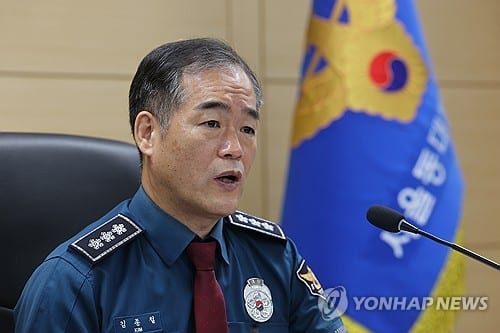
SEOUL, Sept. 14 (Yonhap) -- South Korea's acting police chief, Kim Jong-chul, on Monday reaffirmed the agency's commitment to investigative reform, including the potential increase in the number of investigators, in response to recent high-profile cases of alleged police misconduct. The National Police Agency launched a dedicated body last week to lead comprehensive organizational reforms, a move that follows a recent revision to the Criminal Procedure Act transferring investigative authority from the prosecution to the police. This reform initiative is occurring amidst heightened scrutiny over alleged misconduct, notably a mishandled missing person case on Jeju Island where an officer reportedly closed the case without verifying the woman's safety. Her body was discovered three months after she was initially reported missing.
Kim acknowledged the "faults made (at the scene)" and systemic failures, taking responsibility as leadership. He stated that the agency is considering increasing the number of police investigators to alleviate their workload, noting that an average of 134 cases were handled by a single investigator last year. Additionally, the police are exploring the use of artificial intelligence and employing retired officers for routine tasks. These remarks were made a day after Kim Min-seok, leader of the ruling Democratic Party, called for stronger police reform during a meeting with government officials. The police have so far reexamined approximately 128,000 of the 310,000 missing person cases reviewed over the past three years, with a plan to complete the review by November, following public criticism of their handling of the Jeju case.