All NewsEducationTVBrokers
Equities & FundsCrypto & Digital AssetsAI & TechnologyBusiness & CorporateUS Politics & PolicyGeopolitics & Global RiskMacro, Rates & FXCommodities & EnergyEuropean Politics & MarketsAsia-PacificReal Estate & Property
All NewsHome
← Back to US Politics & Policy

Juror: Holdout in Lindsay Clancy Trial Had Reasonable Doubt But Wouldn't Acquit

Created at 8 Sep · 11:56 PM1 source↑ Market-relevant
IN SHORT

A lone juror in the Lindsay Clancy trial admitted to having reasonable doubt about her guilt but refused to vote for acquittal, according to the jury's foreperson. A mistrial was declared after jurors could not reach a unanimous verdict on whether Clancy was criminally responsible for killing her three children.

Key Numbers

3children Clancy killed
36Clancy's age

Who's Involved

Lindsay Clancy
defendant accused of killing her three children
Ronni Carlson
jury foreperson who gave TV interview

↳ Why This Matters

The juror's account highlights the deep divisions within the jury and the complexities of determining criminal responsibility in cases involving severe mental illness, prolonging the legal process for the family and the justice system.

Key facts

  • A lone juror blocked the acquittal of Lindsay Clancy in her trial for killing her three children.
  • The juror acknowledged having reasonable doubt about Clancy's guilt during deliberations.
  • Despite admitting reasonable doubt, the juror refused to vote for acquittal.
  • A judge declared a mistrial after the jury failed to reach a unanimous verdict.
  • Clancy's defense argued she suffered from postpartum psychosis, a rare mental illness.
  • Prosecutors contended Clancy acted deliberately, having planned to get her husband out of the house.

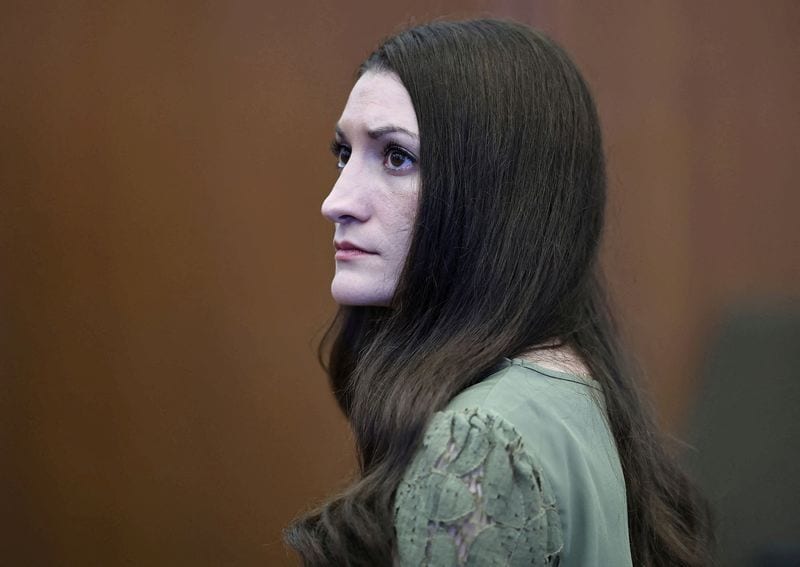
A lone juror prevented an acquittal in the trial of Lindsay Clancy, who is accused of killing her three young children in 2023. The jury's foreperson, Ronni Carlson, revealed in a TV interview that the holdout juror admitted to having reasonable doubt about Clancy's guilt but still refused to vote for an acquittal. This admission came during deliberations, which ultimately led to a mistrial after the jury could not reach a unanimous verdict. Clancy, a former labor and delivery nurse, did not dispute killing the children, but her defense argued she was suffering from postpartum psychosis. Prosecutors, however, maintained that Clancy acted with intent and premeditation, citing her actions to ensure her husband was not home during the killings.

Frequently asked questions

Lindsay Clancy was accused of killing her three young children in 2023.

One juror had reasonable doubt but refused to vote for acquittal, preventing a unanimous decision.

Her defense argued she was suffering from postpartum psychosis, a rare mental illness.

Prosecutors contended that Clancy acted deliberately and with premeditation.

What Happens Next

01The legal proceedings for Lindsay Clancy will continue following the mistrial.

How It Developed

A mistrial was declared in the Lindsay Clancy case.
A juror stated Clancy had reasonable doubt but would not acquit.
The jury foreperson shared details of the deliberations in a TV interview.

Sources

T1
Holdout in Lindsay Clancy trial said he had reasonable doubt but still wouldn’t acquit, juror saysAP News

Related Stories

Lawyer asks Trump to pardon Lindsay Clancy after murder trial mistrial
8 Sep · 3:28 PM
Mother warned landlord about faulty smoke alarms before fatal Queensland fire, court hears
8 Sep · 9:36 AM
Lummis Criticizes Democrats on Clarity Act, Expresses Optimism for Passage
8 Sep · 9:00 PM
Attacks victim's death 'potentially preventable,' inquiry hears
8 Sep · 12:06 PM
Chris Pappas, John Sununu win New Hampshire Senate primaries
8 Sep · 10:06 AM