Key facts
- Dow Jones Publishing, publisher of The Wall Street Journal, was convicted in Hong Kong of deterring an employee from exercising trade union rights.
- The company was acquitted of dismissing an employee for exercising those rights.
- Reporter Selina Cheng was dismissed weeks after becoming chair of the Hong Kong Journalist Association in 2024.
- The court found the company's code of conduct was wrongly applied to insist Cheng seek prior approval for her union role.
- The conviction raises concerns about press freedom in Hong Kong.
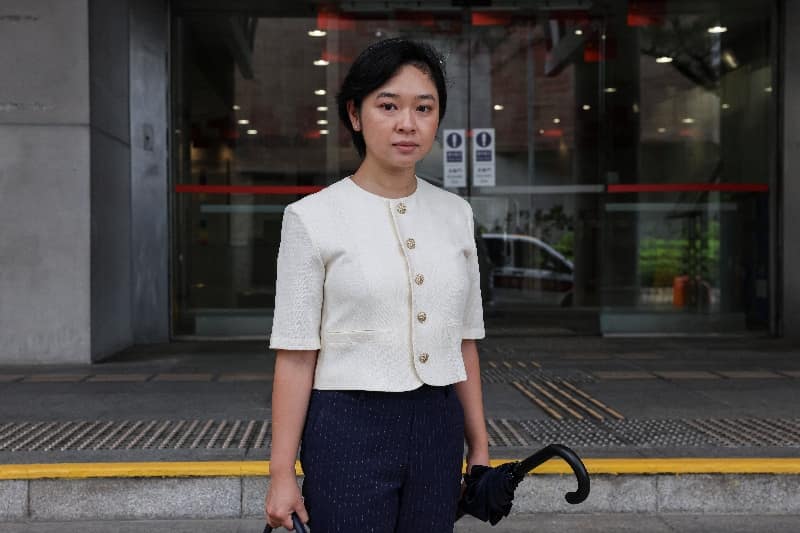
A Hong Kong court has convicted Dow Jones Publishing, the publisher of The Wall Street Journal, of deterring an employee from exercising trade union rights. The ruling came after reporter Selina Cheng was dismissed from the WSJ in July 2024, weeks after taking up the position as chair of the Hong Kong Journalist Association (HKJA).
Principal Magistrate David Cheung found Dow Jones guilty of "preventing or deterring an employee from exercising trade union rights," but acquitted it of "dismissing or discriminating against an employee because she exercised those rights." The company had argued Cheng was terminated due to redundancy.
Cheng alleged her employer had attempted to prevent her from taking up the union role, stating she was told employees should not advocate for press freedom in "places like Hong Kong" due to potential conflicts of interest. She said the company insisted she seek approval for outside activities and requested she leave her board position at the HKJA.
Magistrate Cheung stated that Cheng's termination was motivated by a "wrongful and unjustified application of their code of conduct," accepting Cheng's explanation and describing her as "honest and reliable." The conviction has raised concerns about press freedom in Hong Kong, where media outlets face an increasingly restricted environment.
Eric Lai, a senior fellow at the Georgetown Center for Asian Law, commented that the WSJ set a "very bad precedent by punishing an employee who was exercising her constitutionally protected rights in Hong Kong." The Wall Street Journal maintained there was no link between Cheng's union role and her dismissal, stating it remains a "fierce and vocal advocate for press freedom."