Key facts
- A US prosecutor described Huawei as a criminal enterprise that stole from US companies.
- Prosecutors allege Huawei engaged in theft and deception for 20 years to dominate the telecommunications industry.
- Huawei is accused of stealing trade secrets from five US companies, including Cisco Systems and T-Mobile.
- The defense claims Huawei's success is due to innovation and competition, not criminal conduct.
- A Chinese foreign ministry spokesperson stated China firmly opposes the US suppression of Chinese enterprises.
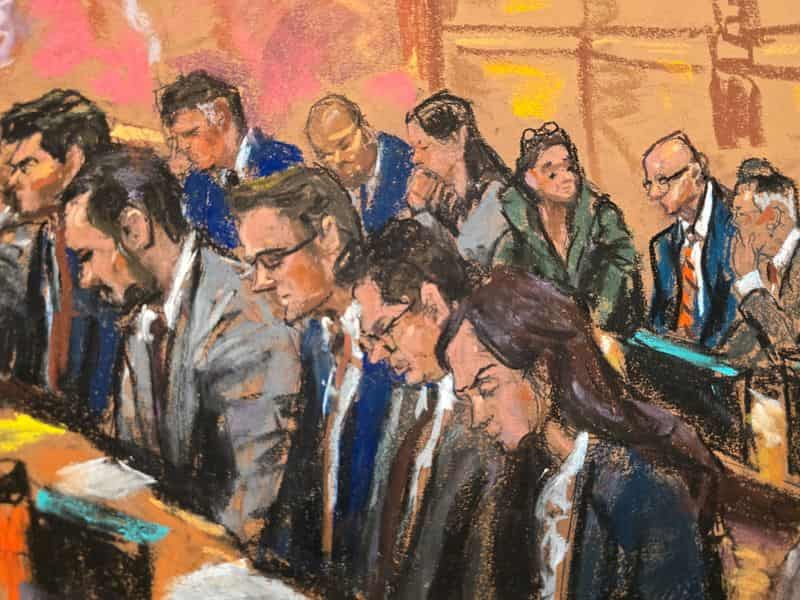
A US prosecutor accused China's Huawei of operating as a criminal enterprise for two decades, alleging theft and deception against American companies as its racketeering trial began in Brooklyn federal court. Taylor Stout, a trial attorney from the US Department of Justice, stated in the government's opening statement that Huawei "victimized American companies and abused the American financial system" to dominate the global telecommunications industry. The prosecution detailed accusations of intellectual property theft, including stealing operating system source code from Cisco Systems and a robotic arm from T-Mobile. The defense, led by lawyer Brian Heberlig, countered that Huawei's success was a result of innovation and competition, not criminal conduct, and that any incidents were actions by individual employees that management sought to rectify. A Chinese foreign ministry spokesperson expressed opposition to the US actions against Chinese enterprises. The case, which began in 2018, has grown into a sprawling indictment including racketeering charges.