Key facts
- Liberaware, a Japanese drone maker, deployed its IBIS2 drones for rescue and recovery efforts after the Kumamoto earthquake.
- The company partnered with MAX Industries and JUIDA for disaster relief operations.
- Liberaware's drones are designed for inspecting and measuring narrow, dark, and hazardous indoor spaces.
- The deployment aimed to assess damaged areas and aid in search and rescue operations.
- The event showcased the growing role of drone technology in disaster management.
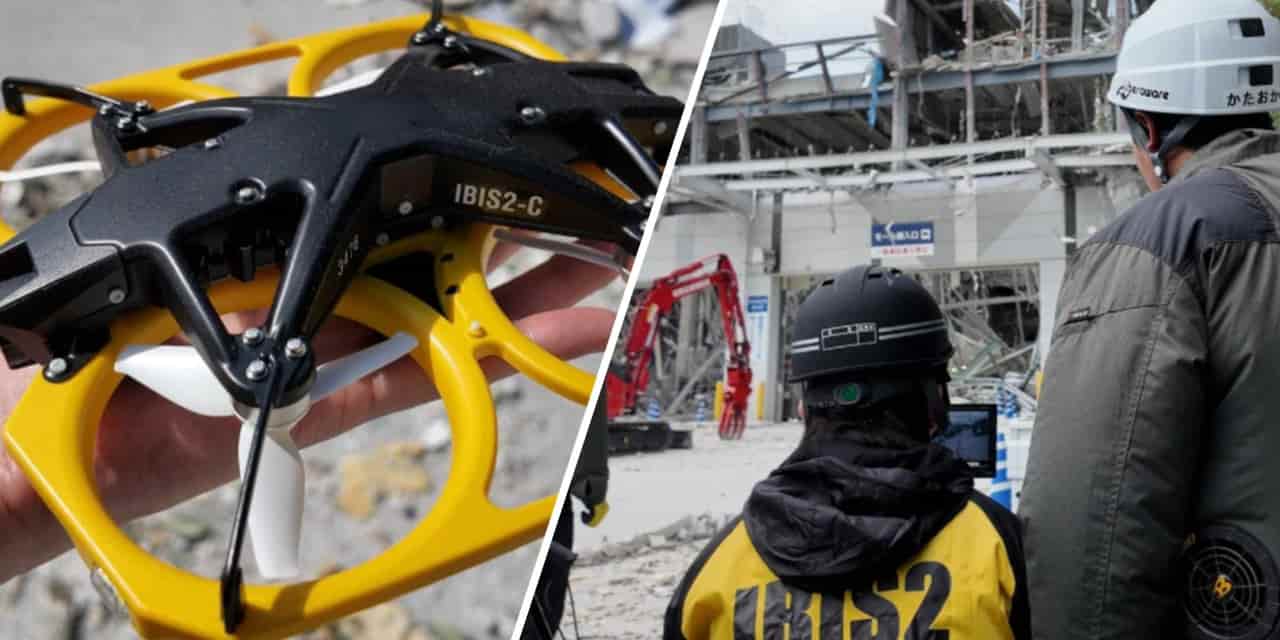
Liberaware, a Japanese drone manufacturer, deployed its lightweight IBIS2 drones to support rescue and recovery efforts following the Kumamoto earthquake that struck on July 28, 2026. The company, based in Chiba City, collaborated with MAX Industries of Kitakyushu City in response to a request from the Japan UAS Industrial Promotion Council (JUIDA). This initiative was part of the private drone disaster response organization known as JUIDA-D³ (D Cube).
The relief activities, which began on July 29, 2026, included assessing the situation at Aeon Mall Kumamoto and searching for individuals in need of rescue. Liberaware focuses on developing some of the world's smallest drones designed for inspecting and measuring narrow, dark, and hazardous indoor spaces, aiming to "visualize invisible risks" and enhance infrastructure inspection and maintenance.
The earthquake itself registered a magnitude of 6.8 (7.1 JMA) and caused significant damage, resulting in 39 deaths and over 350 injuries. The deployment of Liberaware's drones highlighted the growing capabilities and transformative potential of drone technology in disaster management and public safety.