Key facts
- Japan's science ministry plans to request a significant budget increase to boost H3 rocket launch capacity.
- The goal is to increase H3 launches to 6-8 per year, with intervals as short as two weeks.
- Japan aims for 30 domestic launches annually by the early 2030s, increasing domestic launch share to 60-70%.
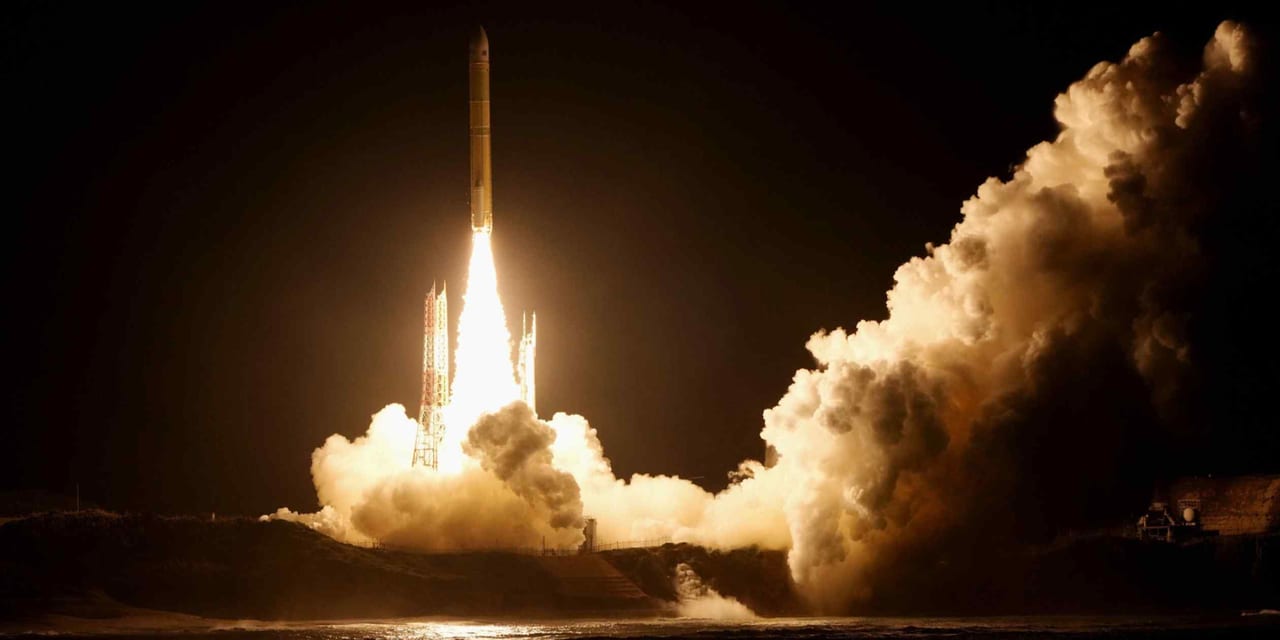
- The H3 rocket successfully launched on June 11 (U.S. time) in its HE-30S configuration.
- Space One's Kairos rocket has experienced multiple launch failures but plans to continue operations.
Japan is seeking to significantly bolster its domestic rocket launch capabilities, aiming to challenge the dominance of companies like SpaceX. The nation's science ministry plans to request a substantial budget increase to enhance the frequency and competitiveness of its H3 heavy-lift rocket, with a goal of conducting between six and eight launches annually. This initiative is part of a broader strategy to achieve 30 domestic launches per year by the early 2030s, thereby increasing the proportion of Japanese satellite launches conducted within the country from the current 50% to a target of 60-70%.
Despite recent setbacks, including a failed H3 launch in December and multiple failures for Space One's Kairos small rocket, Japan is pushing forward. The H3 successfully completed a test flight of a new variant on June 11 (U.S. time), placing small satellites into orbit and signaling its entry into the low-cost launch market. Space One, despite its launch challenges, is determined to succeed and scale up its operations, emphasizing the need for government support and clear demand signals to justify investments across the supply chain.
Japanese officials are exploring various avenues to meet their ambitious launch targets. This includes the government acting as an anchor tenant for commercial launches and fostering public-private partnerships, drawing parallels to NASA's successful model. Furthermore, Japan aims to attract international launch providers to utilize its launch facilities, such as the Space Cotan spaceport on Hokkaido, to supplement domestic activity and help fill capacity gaps at international launch sites. The country is also looking to introduce competition into its space industry, inspired by a U.S. program that propelled SpaceX's growth.