Key facts
- AI robots and drones will be used to remove radioactive debris at the Fukushima Daiichi nuclear plant.
- The Japanese government and Tokyo Electric Power Co. (TEPCO) are forming a consortium for this initiative.
- TEPCO has developed a 22-meter robotic arm for retrieving highly radioactive fuel debris.
- Boston Dynamics' quadruped robot, Spot, is being deployed for its mobility and data collection capabilities.
- Human intervention in the reactor cores is impossible due to extreme radiation levels.
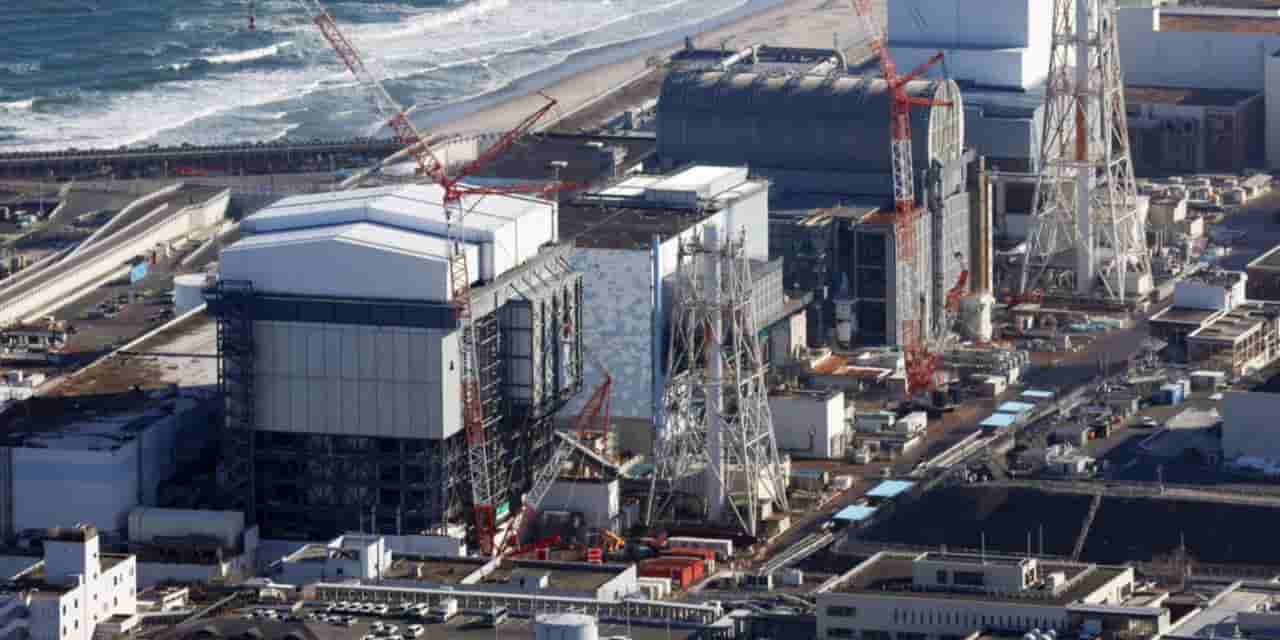
Artificial intelligence and advanced robotics are set to play a pivotal role in the ongoing cleanup of the Fukushima Daiichi nuclear plant, with the Japanese government and Tokyo Electric Power Co. Holdings (TEPCO) planning to establish a consortium to oversee these efforts. The initiative aims to deploy AI-powered robots and drones to tackle the immense challenge of removing approximately 880 tons of radioactive debris from within three damaged reactors.
TEPCO has unveiled a significant technological advancement: a 22-meter robotic arm designed for the precise retrieval of highly radioactive fuel debris. This new system represents a substantial upgrade from previous, more limited tools, offering greater reach and manipulation capabilities. The deployment of such advanced robotics is critical because radiation levels inside the damaged reactors make human intervention impossible, necessitating remote-controlled operations.
Boston Dynamics' quadruped robot, Spot, has also been deployed at the site since 2022. Its superior mobility, particularly on stairs and through debris-strewn areas, has proven invaluable for data collection, video recording, radiation measurement, and gathering debris samples. Officials note that Spot's ability to navigate challenging environments with minimal limitations is a 'game changer' for the dangerous and complex decommissioning process, which is expected to continue for decades.