Key facts
- Japan's peak earning season for airlines, railways, and hotels is moving from summer to autumn.
- Extreme summer heat is a key factor influencing this shift.
- A rise in foreign tourist numbers is also contributing to the change.
Japan's tourism industry is experiencing a notable shift in its traditional peak earning season, moving from the summer months to autumn. This change is attributed to the increasing severity of summer heat and a significant rise in foreign tourist arrivals.
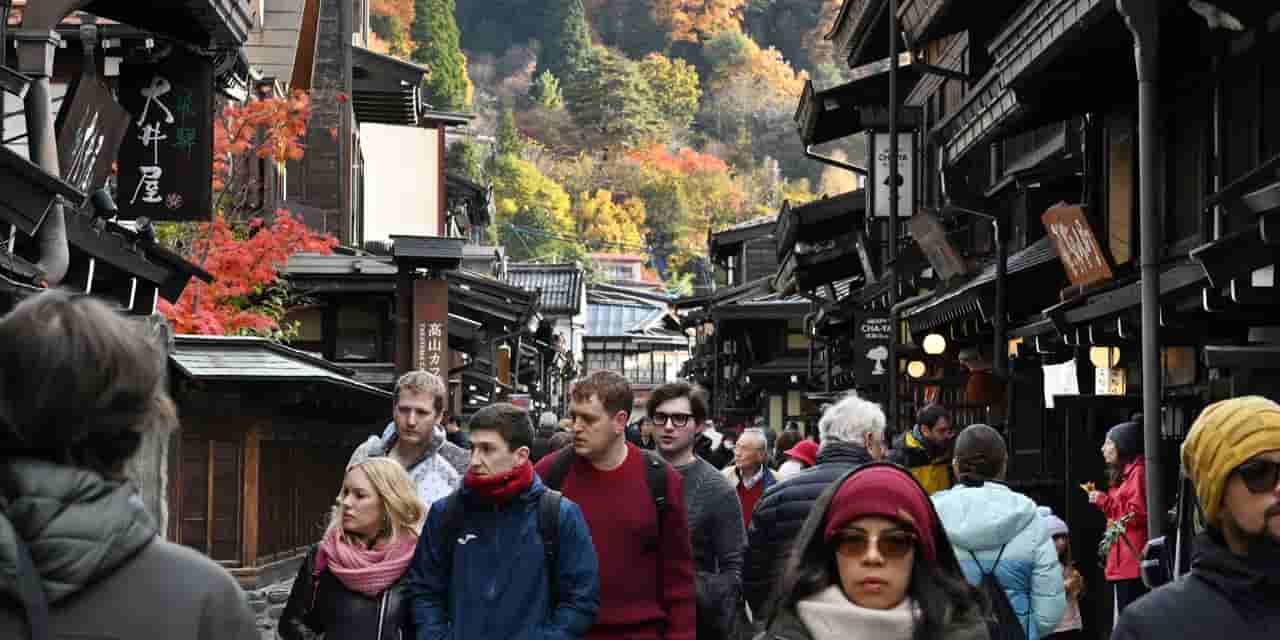
Airlines, railways, and hotels are adapting to this evolving travel pattern, which sees the highest earnings now occurring later in the year. This adjustment reflects broader trends in how tourists perceive and plan their travel to Japan, prioritizing cooler weather for their visits.
The phenomenon highlights the impact of climate change on tourism and the growing global appeal of Japan as a travel destination. The industry is responding by recalibrating its operational and marketing strategies to align with these new seasonal demands.