All NewsEducationTVBrokers
Equities & FundsCrypto & Digital AssetsAI & TechnologyBusiness & CorporateUS Politics & PolicyGeopolitics & Global RiskMacro, Rates & FXCommodities & EnergyEuropean Politics & MarketsAsia-PacificReal Estate & Property
All NewsHome
← Back to Asia-Pacific

Malaysia Airlines expands East Asia routes as Gulf disruptions subside

Created at 4 Sep · 10:36 AM1 source↑ Market-relevant
IN SHORT

Malaysia Airlines is increasing flights to South Korea, Japan, and China. This strategic shift comes as the surge in demand driven by Middle East airspace disruptions earlier this year begins to wane, prompting the carrier to focus on growing East Asian markets.

Key Numbers

one-thirdEurope-Asia air traffic handled by Gulf hubs
more than six millionpassengers affected by Middle East flight cancellations
$2,000one-way economy fare from Singapore to London

Who's Involved

Malaysia Aviation Group (MAG)
Parent company of Malaysia Airlines, expanding East Asian routes
Malaysia Airlines
State-owned carrier adding flights to South Korea, Japan, and China
Emirates
Gulf carrier scaling back services due to regional conflict
Qatar Airways
Gulf carrier scaling back services due to regional conflict
Etihad Airways
Gulf carrier scaling back services due to regional conflict
Singapore Airlines
Asian carrier operating additional flights to Europe
Cathay Pacific
Asian carrier positioned to capture shifted travel patterns
Shazlina Noordin
Passenger who switched from Emirates to Malaysia Airlines
Bryan Foong
Chief executive of airline business at Malaysia Aviation Group
Malaysia Airlines expands East Asia routes as Gulf disruptions subside

↳ Why This Matters

The shift in Malaysia Airlines' route strategy highlights the dynamic nature of global air travel, influenced by geopolitical events and the subsequent reallocation of passenger traffic. This move signals a focus on long-term growth in East Asia as temporary disruptions in other regions subside.

Key facts

  • Malaysia Airlines is expanding its service to East Asian cities including Busan, Fukuoka, and Kunming.
  • The airline group is shifting focus as demand from Middle East disruptions has decreased.
  • Asian carriers have seen increased demand for Europe-bound routes due to Middle East airspace issues.
  • Conflict in the Middle East has led to rerouting and cancellations affecting millions of passengers.

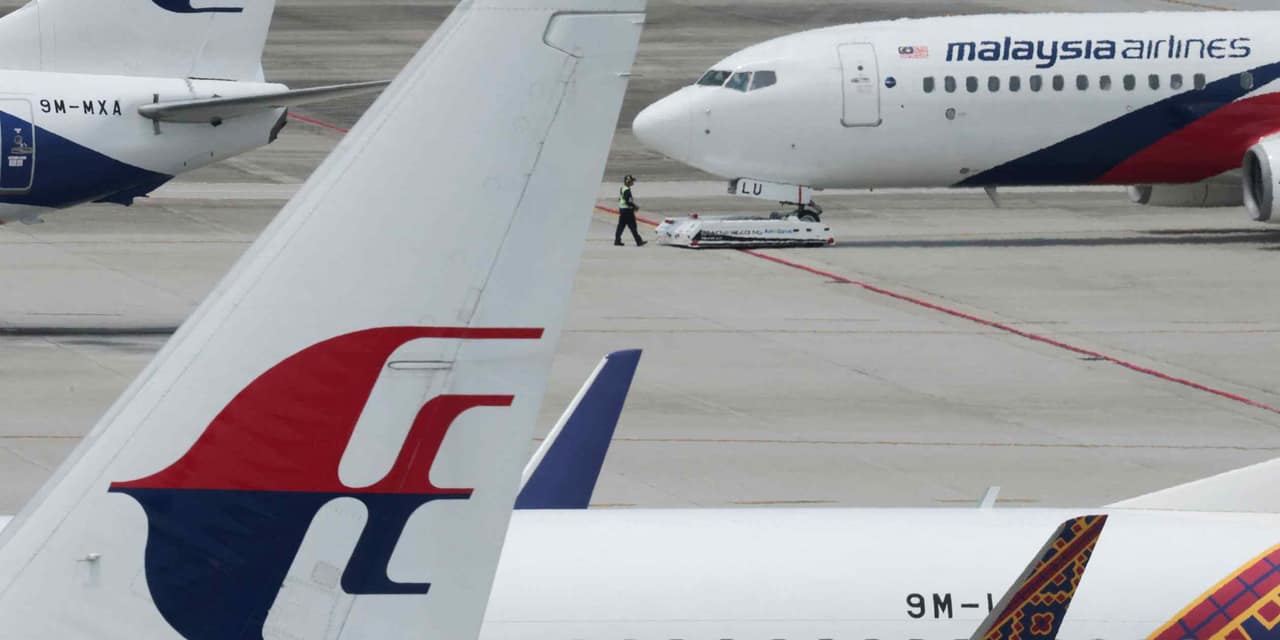
Malaysia Airlines is expanding its routes to East Asian destinations, including Busan in South Korea, Fukuoka in Japan, and Kunming in China. This strategic move by the state-owned Malaysia Aviation Group (MAG) comes as the surge in demand experienced earlier this year, driven by disruptions at major Gulf aviation hubs, begins to fade.

Earlier in the year, conflict-related risks in the Middle East led to rerouting and cancellations, impacting millions of passengers and causing Gulf carriers like Emirates, Qatar Airways, and Etihad Airways to scale back services. This created an opportunity for Asian airlines, which saw increased demand for Europe-bound passengers who would typically transit through Gulf hubs. Carriers such as Singapore Airlines and Cathay Pacific were well-positioned to capture this shift, with Singapore Airlines adding flights to London and Frankfurt and reporting strong demand. Fares on these routes saw a significant increase, with one-way economy tickets from Singapore to London exceeding $2,000.

Passengers like Shazlina Noordin, a 55-year-old homemaker, opted for Asian carriers due to safety concerns and discomfort with transiting through the Middle East. She switched her booking from Emirates to Malaysia Airlines for a flight to London, noting that the replacement ticket was similarly priced to her original fare, despite Gulf carriers usually being more affordable.

Malaysia Aviation Group's chief executive of airline business, Bryan Foong, indicated that the group is benefiting from these shifts in passenger routing. However, as the situation in the Middle East stabilizes and flight disruptions lessen, Malaysia Airlines is now pivoting to strengthen its presence in the growing East Asian markets.

Frequently asked questions

Malaysia Airlines is expanding its routes to East Asia as the temporary surge in demand caused by Middle East airspace disruptions has faded, allowing the carrier to focus on growing markets in South Korea, Japan, and China.

Conflict-related risks in the Middle East led to rerouting and cancellations, forcing passengers to seek alternative routes through Asia-Pacific hubs, thereby increasing demand for Asian airlines.

Malaysia Airlines is adding routes to Busan in South Korea, Fukuoka in Japan, and Kunming in China.

Disruptions affected a significant portion of Europe-Asia and Europe-Australasia air traffic, leading to millions of passenger cancellations and a shift towards Asian hubs for transit.

What Happens Next

01Malaysia Airlines will continue to monitor demand in East Asian markets.
02Other Asian carriers may adjust their strategies in response to changing travel patterns.

How It Developed

Disruptions in Middle Eastern airspace have shifted long-haul travel patterns.
Asian carriers are experiencing increased demand for Europe-bound passengers.
Gulf airlines have reduced services due to conflict-related risks.
Many passengers are rerouting through Asia-Pacific hubs for safety concerns.
Malaysia Airlines is expanding routes to South Korea, Japan, and China.
Demand driven by Middle East disruptions has begun to fade.

Sources

T1
Malaysia Airlines turns to East Asia as Gulf unrest windfall fadesNikkei Asia
T2
Asia airlines gain from Middle East flight disruptions | The Straits Timesstraitstimes.com

Related Stories

Myanmar gas projects to restart with Thai backing
3 Sep · 9:05 PM
Octopus Energy backs Japan's solar expansion with new projects
3 Sep · 9:36 PM
Myanmar leader Min Aung Hlaing visits Vietnam to boost economic ties
4 Sep · 7:14 AM
US trade deficit with Asia grows, led by Vietnam
3 Sep · 3:00 PM
Dairy Queen to open 4 stores in Hong Kong, exploring market conditions
4 Sep · 11:36 AM