Key facts
- China's summer travel season saw reduced momentum this year.
- Rail passenger trips increased by 1.2% to 954 million from July 1 to Aug. 31.
- Airline passenger trips rose by 2.9% to 151 million during the same period.
China's summer travel season experienced a slowdown this year due to weaker demand and a shorter peak period. Rail and air passenger traffic saw increases, but fell short of earlier forecasts.
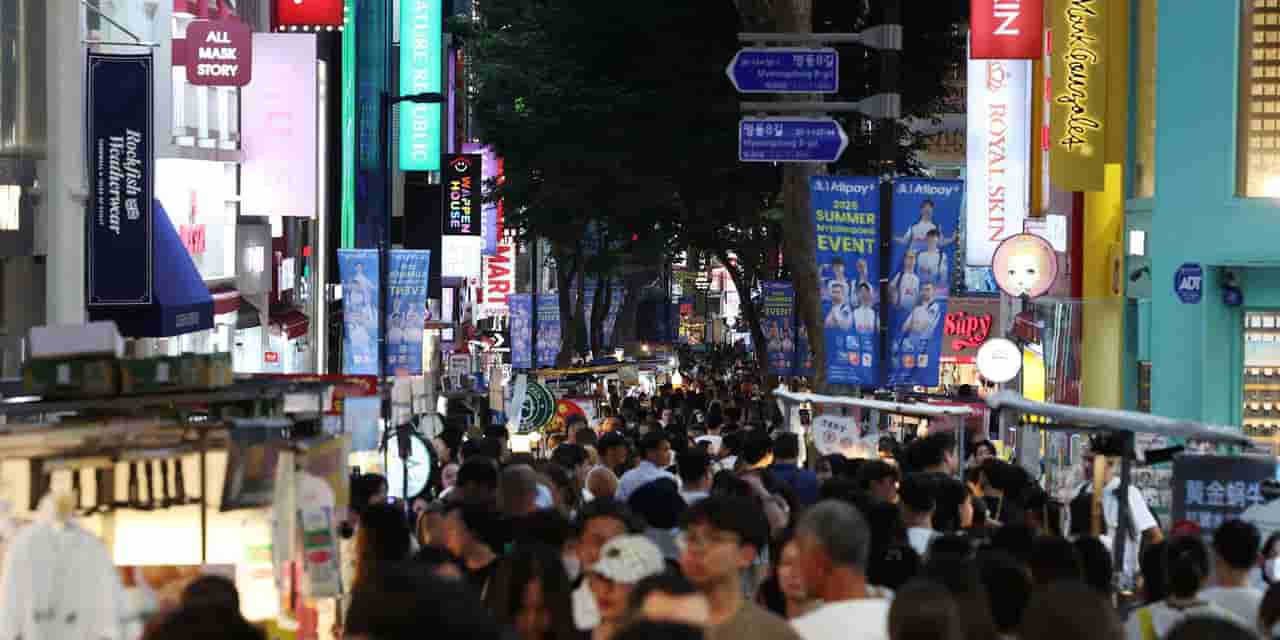
The cooling of China's summer travel season indicates a potential softening in consumer demand, which could have broader implications for the country's economic recovery and growth.
China's summer travel season experienced a slowdown this year, with softer demand and a shorter peak period impacting overall growth. From July 1 through August 31, Chinese railways recorded 954 million passenger trips, a modest 1.2% increase from the previous year, falling short of the projected 1.01 billion trips. Similarly, airlines handled 151 million passenger trips during the same period, marking a 2.9% rise, according to the Civil Aviation Administration.
Despite the overall cooling, certain destinations like South Korea have seen a strong influx of Chinese visitors in 2026, while travel to Japan remained relatively subdued. The summer travel boom, often referred to as 'Shuyun,' is typically driven by school holidays and the desire to escape summer heat, significantly boosting domestic consumption and local economies. Family and student travelers continue to be dominant groups, with a notable interest in educational and nature-focused tours. Destinations such as Changbai Mountain in Jilin Province have become popular for their natural beauty and educational programs, attracting families and students alike. Elderly travelers also represent a significant demographic seeking respite from the heat in cooler regions.
Pick the topics you care about. Get only what matters, on your cadence.