Key facts
- Japan aims to double overseas sales of disaster prevention products by 2030.
- SMEs are increasing production of emergency shelters and toilets.
- Public awareness of disaster preparedness is growing in Japan.
- Foreign residents in Japan are often underprepared for disasters.
- The Japanese government recommends a minimum 3-day supply of essentials for emergencies.
- Disaster experts advise preparing for at least 7 days of self-sufficiency.
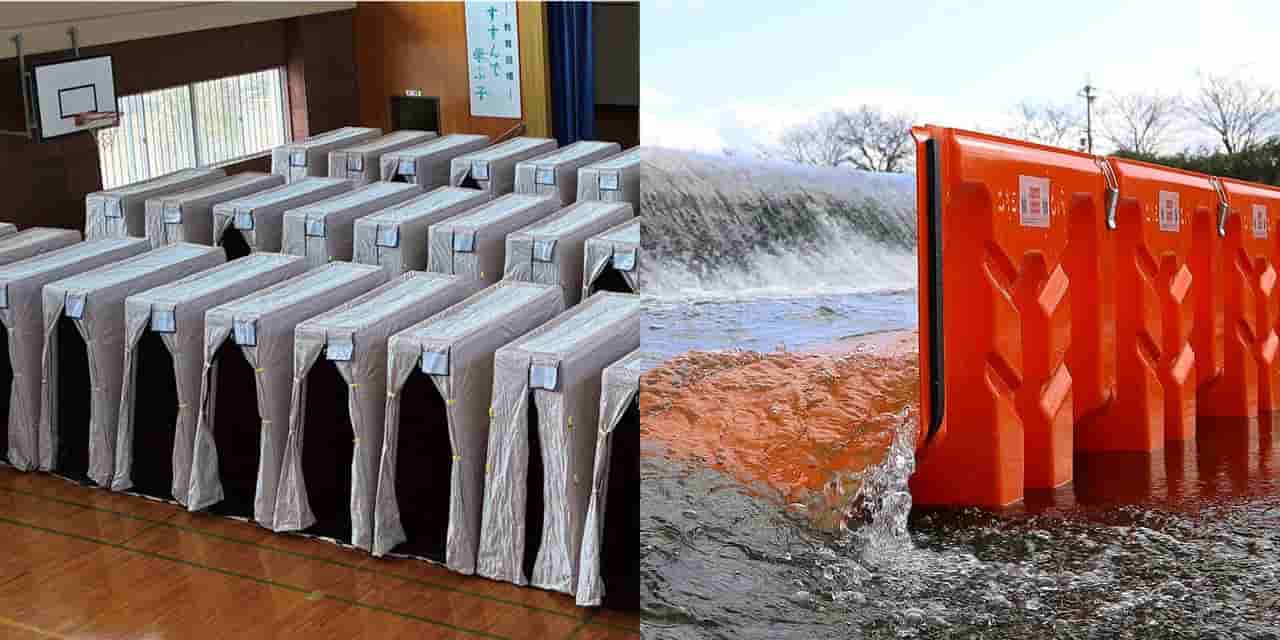
A series of natural disasters across Japan is driving increased interest in emergency preparedness, leading small-to-medium-sized enterprises (SMEs) to ramp up production of related supplies. Products such as private shelters and emergency toilets are seeing higher demand as public awareness of disaster risks grows. The Japanese government has set a goal to double overseas sales of disaster prevention products by 2030.
Japan is one of the world's most disaster-prone countries, experiencing about 1,500 earthquakes annually and facing threats from typhoons, tsunamis, volcanic eruptions, landslides, and flooding. For foreigners living in Japan, language barriers can exacerbate the challenges of understanding evacuation instructions and accessing emergency information. Research indicates that only about 30% of international residents have prepared an emergency evacuation bag.
The Japanese government recommends a minimum 3-day supply of essentials for emergencies, but many disaster experts now advise preparing for at least 7 days of self-sufficiency, particularly in areas where aid may take longer to arrive. This includes water, non-perishable food, communication devices like hand-crank radios and power banks, and other essential items.
Separately, initiatives are underway to provide hot meals to disaster evacuees, aiming to alleviate despair. Unlike the typical distribution of cold food items like rice balls and convenience store meals, projects are developing recipes for tasty, easily prepared hot dishes. These efforts are inspired by international models, such as Italy's disaster relief system, which utilizes kitchen-equipped vans and professional chefs to provide warm meals within 48 hours of a disaster. While some volunteer groups in Japan prepare hot dishes, a standardized nationwide mechanism for such aid is still lacking, leading to varying levels of emergency assistance across different regions.