Key facts
- Japan's Prime Minister Sanae Takaichi called U.S. sanctions on ICC President Tomoko Akane 'very unfortunate'.
- Tokyo reaffirmed its commitment to supporting the ICC and global rule of law.
- The U.S. sanctions are linked to ICC investigations into U.S. military personnel in Afghanistan and Israeli Prime Minister Benjamin Netanyahu.
- U.S. Secretary of State Marco Rubio described the ICC as a "corrupt and fatally politicized supranational court".
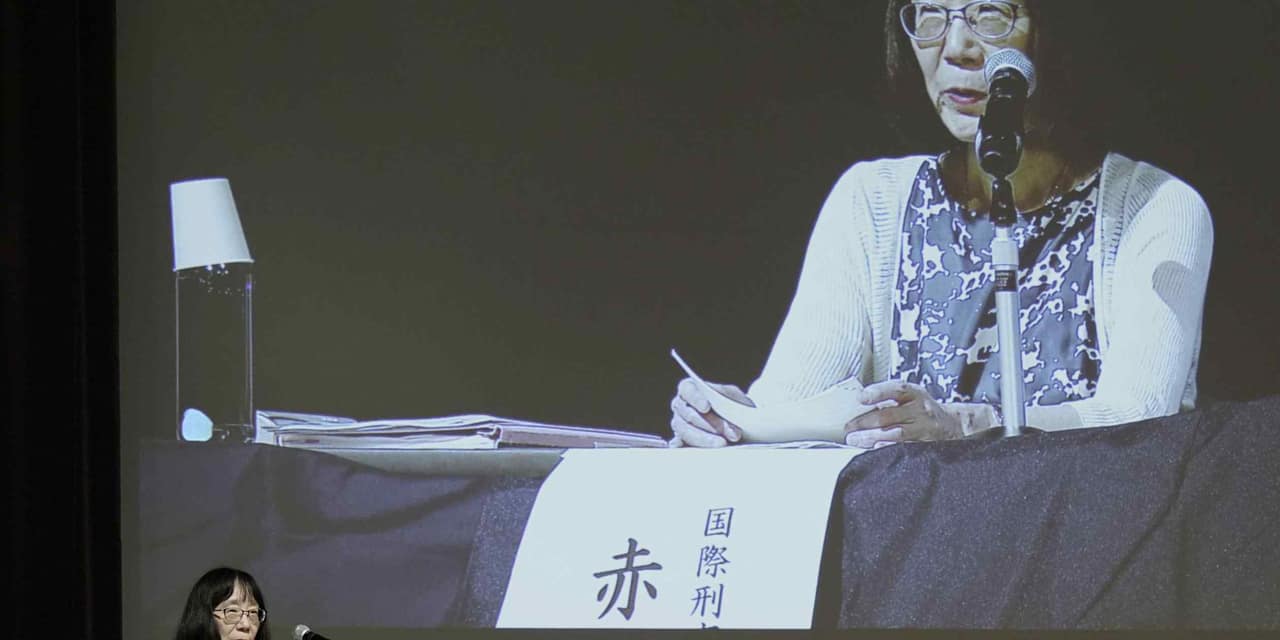
- Tomoko Akane is the first Japanese president of the ICC, serving since March 2024.
Japan's government has described the U.S. sanctions against Tomoko Akane, the Japanese president of the International Criminal Court (ICC), as "very unfortunate." Prime Minister Sanae Takaichi stated that Tokyo will continue communication with relevant nations, including the United States, to deal with the situation. Foreign Press Secretary Toshihiro Kitamura reaffirmed that Japan "consistently supported" the ICC's mission to prosecute serious international crimes and uphold the rule of law globally.
The sanctions, announced by U.S. Secretary of State Marco Rubio, also targeted Abdoulaye Seye, an ICC senior trial lawyer. Rubio characterized the ICC as a "corrupt and fatally politicized supranational court" that has "maliciously abused its authority and exceeded its mandate." He claimed Akane and Seye were directly involved in actions against officials from governments that do not consent to the court's jurisdiction.
The U.S. administration has been critical of the ICC's investigations into alleged war crimes by U.S. military personnel in Afghanistan and its issuance of an arrest warrant for Israeli Prime Minister Benjamin Netanyahu. Japan, a close U.S. ally, had previously expressed concern and stated it was "watching closely with concern" when the U.S. announced a campaign against the ICC last month. Akane, a 70-year-old former prosecutor, began her three-year term as the ICC's first Japanese president in March 2024. The U.S. has now sanctioned nine of the ICC's 18 judges.