Key facts
- The U.S. Treasury Department sanctioned ICC president Tomoko Akane and senior trial lawyer Abdoulaye Seye.
- The sanctions target ICC officials investigating officials of non-member states, including the U.S. and Israel.
- The ICC condemned the sanctions as a 'flagrant attack' on its independence and the rule of law.
- Japan, the EU, Germany, the Netherlands, and Spain expressed disapproval of the U.S. sanctions.
- Sanctioned individuals face asset freezes and exclusion from the U.S. financial system.
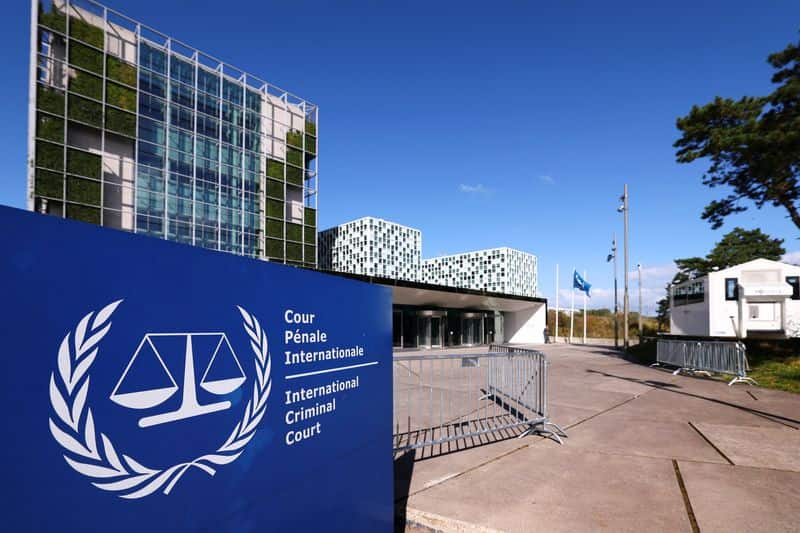
The U.S. Treasury Department has sanctioned Tomoko Akane, president of the International Criminal Court, and senior trial lawyer Abdoulaye Seye. Secretary of State Marco Rubio stated these individuals engaged in efforts by the ICC to investigate, arrest, detain, or prosecute officials whose government has not consented to ICC jurisdiction. The sanctions are a response to the ICC's investigations into officials of non-member states, including the U.S. and Israel, for alleged crimes in Afghanistan, Iraq, and Gaza. Rubio described the ICC as a corrupt and politicized court that assaults state sovereignty. The sanctions freeze any U.S. assets held by the sanctioned individuals and cut them off from the U.S. financial system, with a transaction wind-down deadline of September 17. The ICC condemned the move, stating it undermines the rule of law and the international legal order. This action follows previous U.S. sanctions on other ICC officials, and three ICC judges and advocacy groups have filed lawsuits challenging the legality of the sanctions. Japan's foreign ministry stated that the U.S. sanctions on the ICC and its president were 'very unfortunate,' reaffirming its support for the court's efforts to prosecute serious crimes. The UN rights chief and EU officials also voiced support for the court's independence.