Key facts
- Iran's embassy in Seoul said Araqchi told Cho a foreign military presence would heighten tensions and expand the scope of conflict.
- South Korea's Foreign Ministry said Cho described the naval unit's mission as protecting South Koreans and the country's economic interests.
- South Korea sourced 70% of its oil from the Middle East in 2025, mostly shipped through the Strait of Hormuz, per government data.
- The Cheonghae unit has been stationed in the Gulf of Aden since 2009 as an anti-piracy force.
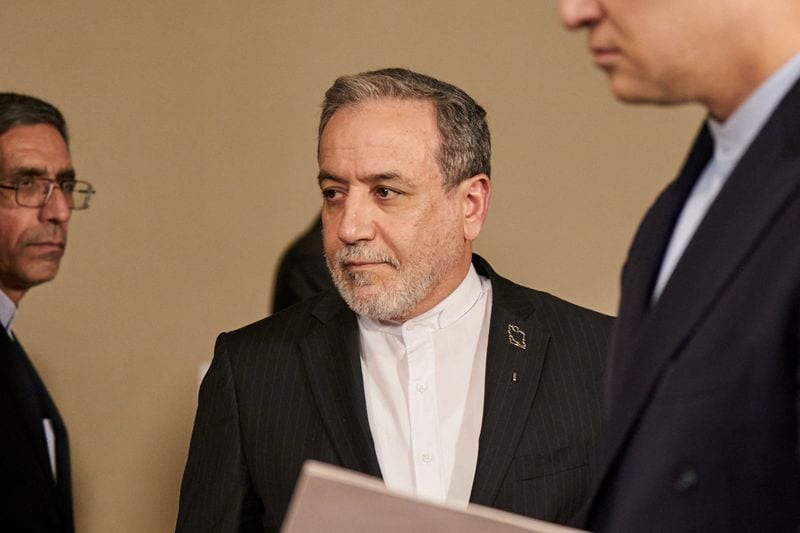
Iran's foreign minister, Abbas Araqchi, told his South Korean counterpart, Cho Hyun, in a telephone call on Thursday that a foreign military presence in the Gulf region would heighten tensions rather than contribute to peace, Iran's embassy in Seoul said in an X post on Friday.
Araqchi said the presence of foreign militaries "would instead heighten tensions and expand the scope of conflict," according to the embassy. Cho reaffirmed that Seoul did not intend to join any war or deploy troops to the Gulf, the embassy said.
South Korea's parliament is reviewing a government motion to broaden the operating area of its Cheonghae naval unit to include the outer waters of the Gulf of Oman, to help ensure safe navigation of its commercial vessels. The anti-piracy unit has been stationed in the Gulf of Aden since 2009.
South Korea's Foreign Ministry said Cho explained that the unit's mission was to ensure the safety of South Koreans and protect the country's economic interests. South Korea, one of the world's largest oil and gas importers, sourced 70% of its oil from the Middle East in 2025, with most shipments delivered through the Strait of Hormuz, according to government data.