Key facts
- Over 175,000 people in Indonesia have suffered respiratory illnesses since August due to wildfire haze.
- More than 40,000 of these cases involve toddlers.
- Wildfires have blanketed parts of Indonesia, Malaysia, and Singapore in toxic smog.
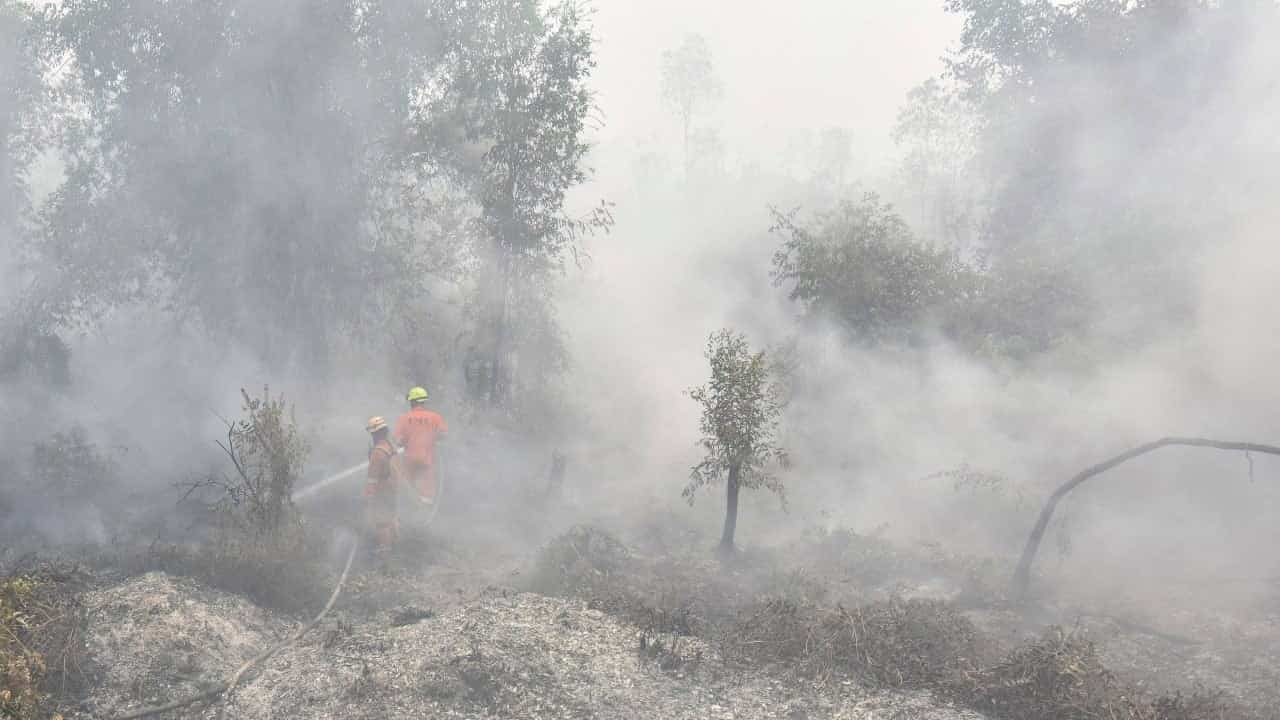
- Indonesia has deployed over 54,000 officials and dozens of jets for water bombing.
- The fires are exacerbated by an El Nino, leading to extremely dry conditions.
- Around 734,000 hotspots have been detected across Indonesia as of Wednesday.
Indonesia is grappling with a severe public health crisis as wildfires have caused widespread haze, leading to over 175,000 reported respiratory cases since August. The fires, particularly in peatlands, have blanketed parts of Indonesia, Malaysia, and Singapore in toxic smog, pushing air quality into "unhealthy" territory. The situation has been exacerbated by an El Nino, contributing to extremely dry conditions. Indonesia has deployed over 54,000 officials and utilized water bombing aircraft, but the vast scale of the fires and challenging terrain make containment difficult. The fires have also led to school closures and a surge in hospital admissions. Critically endangered orangutans have also been affected, with one rescued ape dying from hypoxia. Indigenous and civil society groups have filed a class action lawsuit against the government, citing negligence in tackling the wildfires. Cloud-seeding operations have been conducted in Indonesia and Malaysia, though their effectiveness is debated.