Key facts
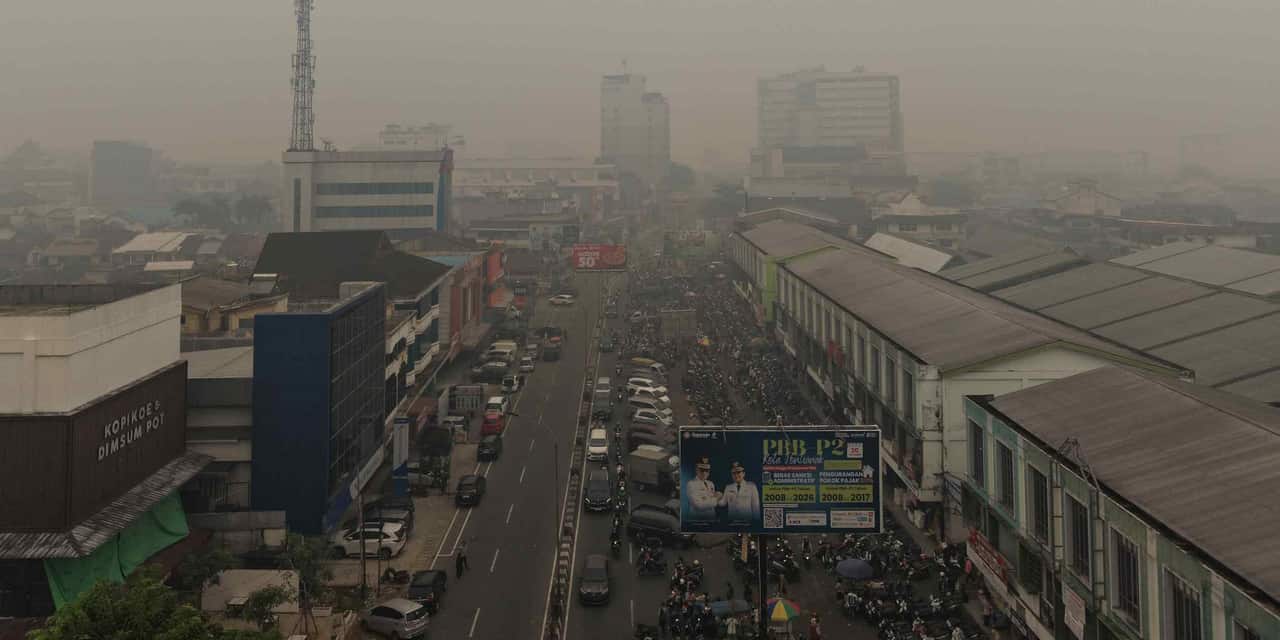
- Indonesia's West Kalimantan and Borneo islands are experiencing prolonged fires and haze.
- Fires are often lit illegally to clear land for oil palm plantations using the 'slash and burn' technique.
- Drained peatlands are particularly susceptible to fires that can burn underground for weeks.
- Air quality in Sampit, central Kalimantan, has been classified as hazardous daily throughout September.
- Schools have closed and emergency rooms are inundated with patients suffering respiratory illnesses.
- Fire emissions from Indonesia in the first week of September accounted for over a third of the global total.
Parts of Indonesia's Borneo and Sumatra islands have been ablaze for months, with prolonged fires and resulting haze severely impacting residents, particularly in West Kalimantan. The fires, often initiated illegally through 'slash and burn' methods to clear land for oil palm plantations, are exacerbated by dry conditions and are especially prevalent on drained peatlands. These fires are notoriously difficult to extinguish, capable of burning underground for weeks and resurfacing elsewhere, releasing toxic smoke that blankets vast areas.
David Gaveau, a landscape ecologist at Nusantara Atlas, noted that this year's fires are trending higher than in previous years, with peatland fires being particularly destructive. Data from Nusantara Atlas indicates that since January, at least 895,657 hectares have been burned across Indonesia, a figure 34% worse than in 2019. The situation has become a significant public health crisis, with emergency rooms overwhelmed and schools closed due to the hazardous air quality.
The number of people suffering from wildfire-related respiratory illnesses in affected provinces more than doubled to 113,336 by September 9, compared to 50,891 on September 1. Air quality in Sampit, central Kalimantan, has been classified as hazardous daily throughout September, reaching the worst rating of maroon. Fire emissions from Indonesia in the first week of September reached 19.7 million metric tons, accounting for more than a third of the global total, according to the European Union's Copernicus climate monitoring service. Residents like Ely Marlina, a schoolteacher and volunteer firefighter, describe the visceral physical toll, including stinging eyes and constant breathing of smoke, even indoors.